The Fentanyl and Polysubstance Crisis: Navigating the Fourth Wave of America’s Overdose Epidemic
The Fentanyl and Polysubstance Crisis
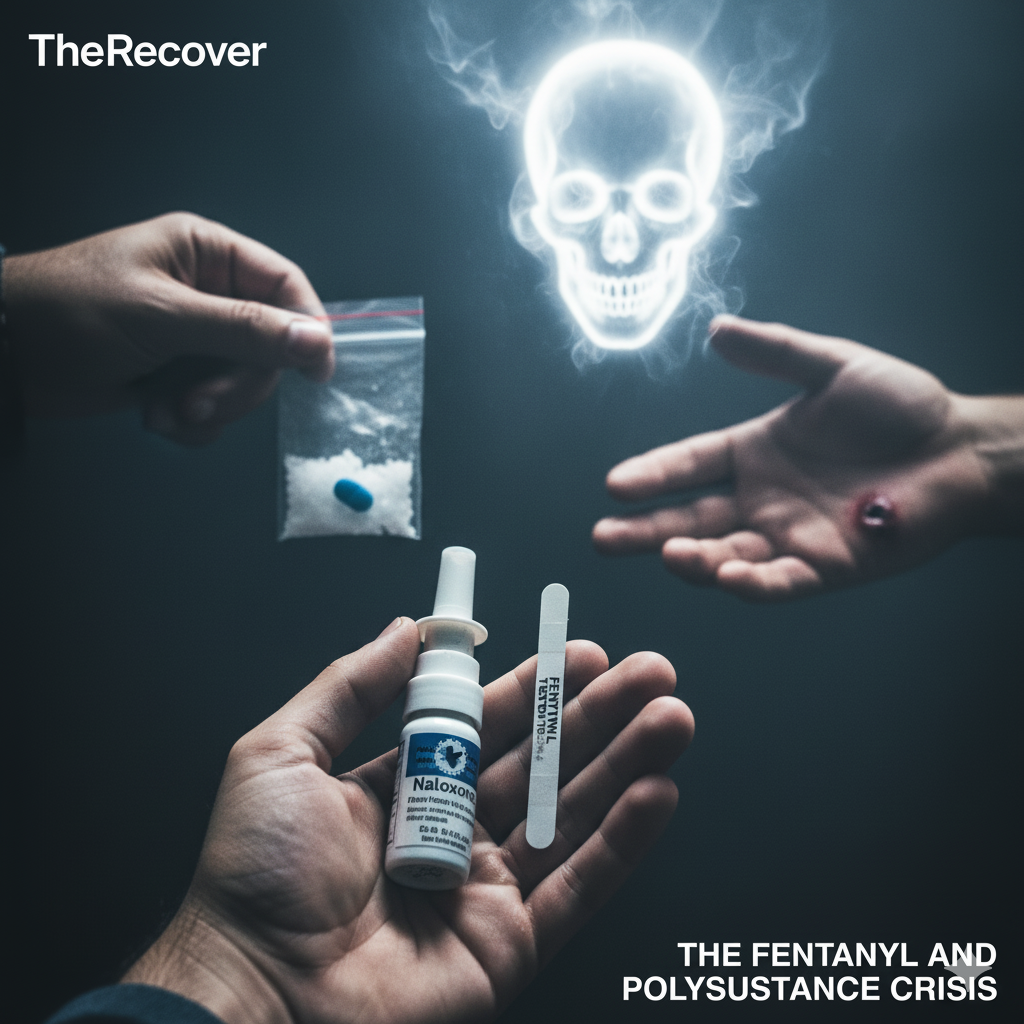
The American struggle with opioid addiction has entered a new, far more complicated, and exponentially more dangerous phase. What began as a crisis fueled by prescription painkillers and later driven by heroin has morphed into a complex epidemic of synthetic opioids and polysubstance use. Today, the main keyword defining this public health emergency is the Fentanyl and Polysubstance Crisis, marked by the introduction of illicitly manufactured Fentanyl, its super-potent analogs, and an alarming mixture with non-opioid substances like Xylazine.
As a news source dedicated to mental health and addiction news, The Recover believes deeply in providing comprehensive, people-first content that equips families, healthcare providers, and individuals with the knowledge to navigate this lethal landscape. This article will thoroughly explore the components of this new crisis, from the chemical dangers to the critical life-saving steps necessary to respond to it.
Understanding the Fourth Wave of the Opioid Crisis
Fentanyl Dominance: The Game-Changer in the Drug Supply
The foundation of the modern overdose crisis is Fentanyl Dominance. Fentanyl, a synthetic opioid 50 to 100 times more potent than morphine, is not new; it has been used in hospitals for decades. The problem lies with illicitly manufactured fentanyl (IMF) and its analogs, which are cheaply produced, easily smuggled, and widely incorporated into the unregulated drug supply.
This shift represents understanding the fourth wave of the opioid crisis. Fentanyl is now involved in the vast majority of opioid-related overdose deaths. The sheer potency means a microscopic, invisible dose can be lethal.
A critical and tragic aspect of this wave is the rise of unintentional opioid use in stimulant users. Today, a user seeking cocaine, methamphetamine, or even counterfeit prescription pills risks fentanyl contamination in cocaine and methamphetamine. The absence of choice has eliminated the safety buffer: individuals are dying from Fentanyl exposure they never sought or intended to use.
What is an Illicitly Manufactured Fentanyl Analog?
An analog is a substance that is chemically similar to Fentanyl but has a slightly different molecular structure, often to evade legal classification or increase potency. Many of these analogs are powerful, unpredictable, and contribute to the rapidly increasing fentanyl adulterated drug supply statistics.
The New Lethal Combination: Polysubstance Use Overdose
The core challenge today is polysubstance use overdose, defined as the use of two or more substances simultaneously or sequentially. When Fentanyl, a powerful depressant, is combined with other sedatives like benzodiazepines, the effects are synergistic—they multiply, leading to fatal respiratory depression.
Why is Polysubstance Use Overdose So Dangerous?
When a person mixes drugs, the interaction is unpredictable and often fatal.
-
Synergistic Depression: Mixing Fentanyl with other depressants (like alcohol, heroin, or risks of mixing opioids and benzodiazepines) severely depresses the central nervous system, slowing and eventually stopping breathing.
-
Unintentional Mixtures: A person who uses a stimulant might still die from a fentanyl contamination in cocaine and methamphetamine overdose. When first responders arrive, they may not immediately recognize the signs of overdose involving multiple drugs, complicating the critical emergency response.
For professionals, promoting safe prescribing practices for co-occurring disorders is paramount to reducing the risk of accidental overdose among patients using multiple substances.
The Emerging Threat: Xylazine (“Tranq Dope”)
The latest and perhaps most alarming development is the widespread integration of Xylazine into the Fentanyl supply, creating a mixture often called “Tranq Dope.”
What is the Tranq Drug Mixed with Fentanyl?
Xylazine is not an opioid; it is a powerful non-opioid sedative and analgesic developed for veterinary use as an xylazine as an animal tranquilizer for human use. It is currently not a controlled substance in the US, which makes it easier to import and mix.
When combined with Fentanyl, the effects are devastating:
-
Prolonged Sedation: Xylazine significantly extends the sedative effect of Fentanyl, leading to deeper, longer periods of unconsciousness and respiratory depression.
-
Unique Physical Harm: The tranq dope dangers and long-term effects include unique physical harm. Xylazine is a vasoconstrictor, meaning it reduces blood flow. This often results in the signature danger of the substance: xylazine-associated wounds and skin ulcers.
The Wounds and The Withdrawal
The presence of Xylazine creates novel clinical challenges.
Necrotic Wounds
The reduction in blood flow caused by Xylazine leads to tissue death (necrosis), creating severe, non-healing xylazine-associated wounds and skin ulcers. These wounds can appear anywhere on the body, not just at the injection site. This has prompted searches like what is the zombie drug xylazine side effects due to the severe skin damage. How to treat xylazine related skin infections becomes a serious, continuous medical issue requiring extensive care.
Withdrawal and Treatment
The xylazine withdrawal symptoms and treatment protocols are complicated because Xylazine is not an opioid.
-
Withdrawal is characterized by extreme anxiety, agitation, and painful physical symptoms that do not respond to typical opioid withdrawal medications like methadone or buprenorphine.
-
This necessitates specialized medical detox and a comprehensive inpatient rehab stay to safely manage the unique withdrawal symptoms.
Overdose Response: The Naloxone Challenge
The presence of Xylazine has fundamentally complicated the life-saving use of Naloxone.
Administering Naloxone When Xylazine is Involved
The primary question facing first responders and family members is: why does naloxone not reverse tranq overdose?
Naloxone is an opioid antagonist; it works by blocking opioid receptors. Since Xylazine is a non-opioid sedative, Naloxone has no effect on its depressant properties.
-
Always Administer Naloxone: You should still administer naloxone when xylazine is involved. Fentanyl is almost certainly present, and Naloxone will reverse the Fentanyl component, potentially restoring breathing enough to save a life.
-
The Sedation Trap: After Naloxone is administered, the person may wake up from the opioid-induced respiratory depression, but they will remain deeply sedated due to the Xylazine. This requires urgent medical attention.
-
Crucial Next Step: For respiratory depression treatment for xylazine overdose, rescue breathing is vital. If the person is not responsive, continue rescue breathing while waiting for emergency medical services to arrive. The remaining sedation from Xylazine makes oxygen and advanced medical support necessary.
The Rising Tide of Nitazenes
Beyond Fentanyl and Xylazine, another class of synthetic opioids is complicating the fentanyl and polysubstance crisis: Nitazenes.
Nitazenes, including common derivatives like isotonitazene and metonitazene and protonitazene dangers, are an old class of compounds that have recently emerged in the illicit market. They are often included in a synthetic opioids stronger than fentanyl list.
-
Isotonitazene potency compared to Fentanyl: Certain Nitazenes can be significantly more potent than Fentanyl, presenting a terrifying risk of fatal overdose.
-
Naloxone Efficacy: The question of does naloxone work on nitazene overdoses is complex. While Naloxone is effective against Nitazenes, their extreme potency often requires the administration of multiple doses of Naloxone to achieve reversal.
-
Detection: How to detect nitazenes in toxicology screens is a challenge for labs, as they are often not part of standard drug panels.
Pathways to Treatment and Recovery
The complexity of the new polysubstance crisis demands comprehensive and specialized care. Recovery is entirely possible, but the detoxification and stabilization phase requires expert attention.
Treating Polysubstance Use Disorder
Treatment for polysubstance use disorder treatment options must address every substance involved—opioids, stimulants, and sedatives like Xylazine.
-
Medication-Assisted Treatment (MOUD): This is the gold standard for opioid use disorder. Medication-assisted treatment for polysubstance use often involves FDA-approved drugs like Buprenorphine or Methadone, which help stabilize the patient and reduce cravings.
-
Inpatient vs. Outpatient: Due to the physical dangers of Xylazine withdrawal and the medical complications (wounds, infections), initial treatment should often begin with a structured inpatient rehab program. The medical supervision ensures the patient is safe while managing the severe xylazine withdrawal symptoms and treatment. Following stabilization, continuing care through outpatient addiction rehab centers is crucial for long-term recovery. (For more information, explore the difference between inpatient vs. outpatient care.)
-
The Need for E-E-A-T Providers: Look for centers that can demonstrate the experience, expertise, authoritativeness, and trustworthiness to handle complex co-occurring disorders and the emerging complications of Xylazine and Nitazenes. Find a specialized rehab center that offers this level of care.
Federal Guidance and Harm Reduction
Federal agencies are actively working to combat this crisis by providing data, resources, and guidelines.
| Resource Name | Key Focus Area | Clickable Link |
| National Institute on Drug Abuse (NIDA) | Scientific research, facts on Xylazine and Polysubstance Use, and treatment science. | NIDA: Xylazine Information |
| Centers for Disease Control and Prevention (CDC) | Surveillance data, overdose prevention, and clinical guidance for healthcare providers. | CDC: Polysubstance Use Fact Sheet |
| SAMHSA’s National Helpline | Direct help, confidential treatment referral, and information service (24/7/365). | SAMHSA National Helpline |
Harm reduction remains a critical strategy to how to prevent accidental fentanyl overdose.
-
Testing: How to spot xylazine in illegal drugs is essential. Xylazine test strips are becoming available and are a vital tool alongside Fentanyl test strips. The effect of fentanyl test strips on overdose prevention is well-documented, and their widespread use, along with Xylazine strips, is necessary.
-
Awareness: Knowing the difference between heroin and synthetic fentanyl is the first step in safety.
If you or a loved one are struggling with addiction, please reach out to The Recover’s contact page or call the SAMHSA National Helpline. Find a center near you that specializes in advanced addiction treatment.
A Call for Comprehensive Action
The Fentanyl and Polysubstance Crisis is not a static problem; it is a continuously evolving chemical threat. The emergence of Xylazine and Nitazenes proves that public health efforts must remain dynamic, combining rigorous medical treatment with widespread harm reduction education. By deeply understanding the user intent—to survive, to find help, and to save others—we can provide the comprehensive answers and life-saving resources needed in this era of unprecedented risk. The path to recovery starts with informed action and expert care.
Frequently Asked Questions (F.A.Q.)
This FAQ section is structured for optimal readability and schema markup, targeting search engine questions related to the Fentanyl and Polysubstance Crisis.
Definitions and Key Facts
What is the “Polysubstance Crisis” and why is it so dangerous right now?
The Polysubstance Crisis is the current trend where overdose deaths involve two or more drugs, often unintentionally. It is dangerous because the interaction of substances (like opioids and sedatives) multiplies the risk of respiratory failure, and the presence of potent synthetics like Fentanyl is often unknown to the user.
What is Xylazine, and why is it being mixed with Fentanyl?
Xylazine is a non-opioid sedative (an alpha-2 agonist) primarily used as an animal tranquilizer. It is mixed with Fentanyl because it is cheap, easy to obtain (as it is currently not a controlled substance), and extends the euphoric effects of the opioid, increasing its street value and dependency risk.
What is “Tranq Dope” or the “Zombie Drug”?
“Tranq Dope” is the street name for the mixture of Fentanyl and Xylazine. It is sometimes sensationalized as the “Zombie Drug” due to the severely sedating effects of Xylazine and its association with large, necrotizing xylazine-associated wounds and skin ulcers that can cause tissue decay.
Are Nitazenes stronger than Fentanyl?
Yes, some Nitazenes, such as Isotonitazene and Protonitazene, are reported to be significantly more potent than Fentanyl, greatly increasing the risk of immediate, fatal overdose with a minute dose.
What is the difference between illicitly manufactured fentanyl and prescription fentanyl?
Prescription fentanyl is a pharmaceutical product, manufactured and dispensed legally in controlled doses for severe pain. Illicitly manufactured fentanyl (IMF) is produced in illegal labs, often containing unknown cutting agents and highly variable potency, making its use extremely dangerous.
Emergency Response and Naloxone
Does Naloxone (Narcan) work if the overdose involves Xylazine?
Naloxone works on the opioid component (Fentanyl) but not the Xylazine component, as Xylazine is not an opioid. You must still administer Naloxone to reverse the Fentanyl and restore breathing.
If Naloxone doesn’t work on Xylazine, should I still administer it during an overdose?
Yes, absolutely. Xylazine is almost always mixed with Fentanyl. Administering Naloxone will reverse the Fentanyl, which is the component causing the life-threatening respiratory depression. You must then continue rescue breathing and seek emergency medical help immediately.
What are the specific signs of a Xylazine-involved overdose that differ from a Fentanyl overdose?
A key difference is prolonged, deep sedation or unconsciousness that persists even after Naloxone has been administered. The person may also have extremely low blood pressure, bradycardia (slow heart rate), and severe, non-healing skin wounds (xylazine-associated wounds and skin ulcers).
How many doses of Naloxone are needed to reverse an overdose involving highly potent Nitazenes?
Due to the extreme potency of Nitazenes, multiple doses of Naloxone may be necessary to fully reverse the overdose. It is vital to continue administering doses every 2–3 minutes until the person responds or emergency medical help arrives.
Why is rescue breathing so important for an overdose involving Xylazine?
Rescue breathing is crucial because Xylazine is a powerful sedative that depresses the central nervous system, causing shallow or stopped breathing. Even after Naloxone reverses the Fentanyl, the person may remain sedated by the Xylazine and require manual ventilation to ensure oxygen reaches the brain.
When should I call 911 in a suspected overdose scenario?
Call 911 immediately upon suspecting an overdose. Provide aid (like administering Naloxone and rescue breathing) while waiting for emergency services to arrive.
Do “Good Samaritan Laws” protect me if I call for help during an overdose?
Most states have Good Samaritan Laws that provide some legal protection from arrest or prosecution for drug-related offenses for the person administering aid and the person overdosing, provided they call emergency services. Laws vary by state, so check local statutes.
Health Risks and Symptoms
What are the severe wounds associated with Xylazine use, and how do they form?
The wounds are necrotic ulcers that develop due to Xylazine’s powerful vasoconstrictive properties, which drastically reduce blood flow to the skin and soft tissues. This oxygen deprivation leads to cell death, causing large, deep, non-healing wounds that can appear far from the injection site.
How do I treat or manage Tranq-related skin wounds and infections?
These wounds require professional medical attention, often involving cleaning, debridement (removal of dead tissue), and antibiotics to manage severe infections. Do not attempt to treat these complex wounds at home; they require clinical care, usually at a rehab center with specialized medical staff or a hospital.
What are the common and severe side effects of Nitazene use?
The most common and severe side effect is life-threatening respiratory depression leading to overdose. Other effects include severe drowsiness, extreme sedation, confusion, constricted pupils, and rapid development of dependence.
Are Fentanyl and Xylazine withdrawal symptoms different, and is one worse?
Yes. Fentanyl withdrawal (opioid) is typically characterized by flu-like symptoms, nausea, and severe pain. Xylazine withdrawal is characterized by extreme anxiety, agitation, severe muscle pain, and tremors that do not respond to traditional opioid withdrawal medications. Xylazine withdrawal is often considered clinically more complex and requires specialized medical management.
Can Fentanyl be inhaled or absorbed through the skin, causing an overdose?
Yes, but the risk of overdose from accidental skin contact (like touching a surface with fentanyl powder) is extremely low. Overdose is primarily caused by intentional misuse (injection, snorting, smoking). Inhaling aerosolized fentanyl is a risk for first responders, but general skin absorption of a casual amount is unlikely to cause an overdose.
Why is mixing Fentanyl with stimulants (like cocaine) causing more deaths?
The stimulant user has no tolerance to opioids. When they unknowingly use fentanyl contamination in cocaine and methamphetamine, the Fentanyl immediately causes respiratory depression. They are often less prepared for the effects and less likely to have Naloxone available.
Detection and Harm Reduction
How can I test drugs for the presence of Xylazine (Tranq)?
Xylazine test strips are available from harm reduction organizations and certain retailers. These are distinct from Fentanyl test strips and must be used specifically to detect the presence of Xylazine in drug samples.
Can Fentanyl test strips detect Nitazenes?
No. Fentanyl test strips are only designed to detect Fentanyl and certain Fentanyl analogs. They will not detect the presence of Nitazenes or Xylazine.
How common is Fentanyl contamination in non-opioid drugs, like counterfeit pills?
The CDC reports that Fentanyl contamination in the illegal drug supply is widespread and increasing. It is common to find Fentanyl in counterfeit pills (like those sold as Oxycodone or Xanax), and in stimulants like cocaine and methamphetamine, leading to unintentional opioid use in stimulant users.
What harm reduction strategies should be used when Xylazine is suspected in the drug supply?
Key strategies include carrying Naloxone, using both Fentanyl and Xylazine test strips, using the substance slowly with a trusted person present, and seeking immediate medical help for any non-healing wounds.
Treatment and Support
What are the specific treatment challenges for Polysubstance Use Disorder involving Xylazine?
Challenges include managing the complex, agonizing xylazine withdrawal symptoms and treatment, which requires specialized supportive care; treating severe xylazine-associated wounds and skin ulcers; and treating the underlying Opioid Use Disorder (OUD) with medication-assisted treatment for polysubstance use while simultaneously addressing the patient’s other substance dependencies.
Are there any medications that can specifically treat Xylazine dependence?
Currently, there are no FDA-approved medications to specifically treat Xylazine dependence. Treatment involves supportive medical care, non-opioid medications to manage severe withdrawal symptoms (like clonidine or benzodiazepines for anxiety), and psychological therapies.
Where can I find resources or treatment for Fentanyl or Xylazine addiction?
You can find resources through SAMHSA’s National Helpline (call 988 or visit the link above), your local mental health authority, or by looking for an inpatient rehab facility that specializes in complex polysubstance use disorder treatment options and medication-assisted treatment.