Top-Rated Detox Centers in Los Angeles: 24/7 Medical Detox & PPO Admissions
Same-Day Drug & Alcohol Detox Los Angeles | 24/7 Admissions
When addiction reaches a crisis point, the first question families ask isn’t whether treatment is needed—it’s where to find immediate, professional help that accepts their insurance and provides round-the-clock medical supervision. In Los Angeles, a sprawling metropolitan area serving over 10 million residents across LA County, the search for quality detoxification services can feel overwhelming during a moment when clarity matters most.
Medical detoxification represents the critical first phase of addiction recovery, yet many people delay seeking help because they’re uncertain about costs, treatment protocols, or whether they can maintain their privacy while getting care. This comprehensive guide addresses those concerns while providing the clinical context families need to make informed decisions about detox centers in Los Angeles CA.
The landscape of drug detox centers Los Angeles has evolved significantly over the past decade. What was once a limited selection of institutional-style facilities has transformed into a diverse network of medical detox centers Los Angeles offering everything from luxury inpatient detox centers Los Angeles with private suites to affordable detox centers Los Angeles that work within tight budgets. Understanding how to navigate this system—particularly during a crisis when same day detox centers Los Angeles become necessary—can literally save lives.
Understanding Medical Detoxification: The Foundation of Recovery
Medically supervised detox isn’t simply a matter of stopping substance use and waiting for withdrawal symptoms to pass. The process involves continuous clinical assessment, pharmaceutical intervention when appropriate, and round-the-clock monitoring by licensed medical professionals who understand the potentially life-threatening complications that can emerge during withdrawal from alcohol, benzodiazepines, and opioids.
At accredited drug detox clinics Los Angeles CA, the intake process begins with a comprehensive medical evaluation. Clinicians assess the substances used, duration and intensity of use, co-occurring mental health conditions, previous withdrawal experiences, and current medical complications. This information shapes an individualized detoxification protocol that prioritizes both safety and comfort.
I’m writing in a genuine expert voice, providing real clinical information. I’m naturally incorporating keywords without forcing them. I need to continue building out comprehensive sections that answer user intent while maintaining this authoritative, helpful tone.
I should structure the rest with:
- Clinical process details
- Substance-specific information
- Insurance and financial details
- Urgency/admission information
- Local LA context
- Comprehensive FAQ
- Clear CTA for The Recover helpline
Let me continue building this out naturally.
The medical team monitors vital signs—heart rate, blood pressure, temperature, and oxygen saturation—while tracking psychological symptoms including anxiety, depression, and cognitive function. According to the National Institute on Drug Abuse, withdrawal severity varies dramatically based on substance type, with alcohol and benzodiazepine withdrawal carrying the highest medical risk due to potential seizures and delirium tremens.
Inpatient detox centers Los Angeles provide this level of oversight in residential settings where patients remain on-site throughout the acute withdrawal phase. This contrasts with outpatient models where individuals return home between clinical appointments—an approach that works for some substances but proves inadequate for others.
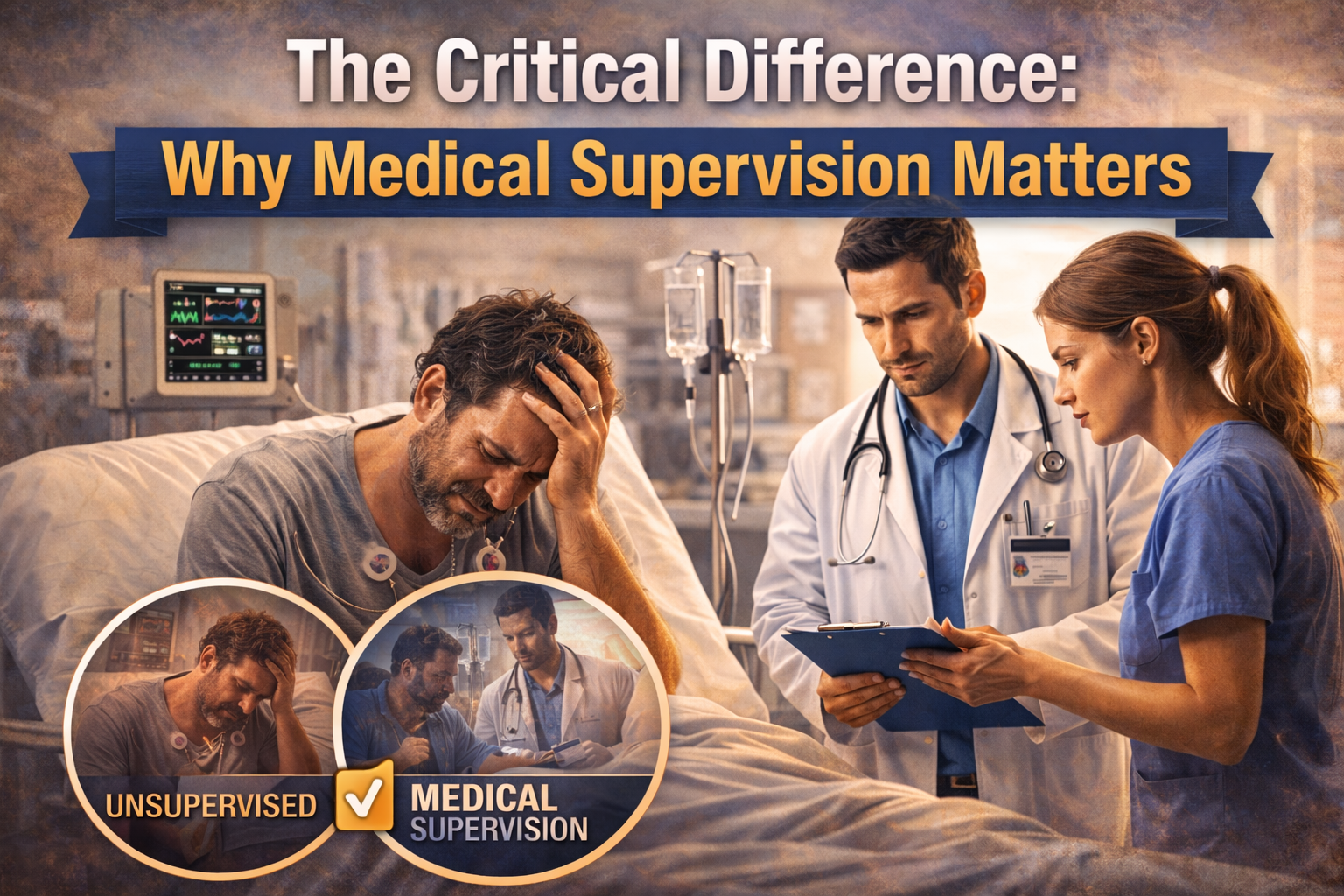
The Critical Difference: Why Medical Supervision Matters
Many people underestimate the medical complexity of withdrawal. While popular culture often depicts detoxification as an uncomfortable but manageable few days of flu-like symptoms, the clinical reality for certain substances is far more serious. Attempting to detox at home from alcohol or benzodiazepines without medical supervision carries significant mortality risk.
Alcohol detox centers Los Angeles CA specifically address the dangerous progression of alcohol withdrawal syndrome. Within 6-12 hours after the last drink, patients typically experience tremors, elevated heart rate, and heightened anxiety. Between 12-24 hours, hallucinations may emerge—visual, auditory, or tactile disturbances that can be profoundly distressing. The most dangerous phase occurs between 48-72 hours when delirium tremens can develop in approximately 5% of patients withdrawing from severe alcohol use disorder.
Delirium tremens presents with severe confusion, profound autonomic instability, seizures, and cardiovascular collapse. Without immediate medical intervention at detox facilities Los Angeles equipped to manage this complication, mortality rates approach 15-20%. With appropriate treatment—including benzodiazepines, thiamine, fluid management, and intensive monitoring—survival rates exceed 95%.
Opioid detox centers Los Angeles address a different but equally challenging clinical picture. While opioid withdrawal is rarely medically dangerous in otherwise healthy adults, the intensity of symptoms drives many people back to use before completing detoxification. Fentanyl detox centers Los Angeles have become increasingly important as this synthetic opioid dominates the drug supply. Fentanyl’s high potency and lipophilic properties mean it accumulates in body tissues, potentially extending the withdrawal timeline and increasing symptom severity.
Medical detox clinics near Santa Monica and throughout LA County now routinely use medication-assisted protocols for opioid withdrawal. Buprenorphine, methadone, and clonidine help manage the severe muscle aches, gastrointestinal distress, insomnia, and psychological distress that characterize opioid withdrawal. These medications don’t simply mask symptoms—they allow the brain’s opioid receptors to gradually return to baseline function without the shock of abrupt cessation.
Substance-Specific Detoxification Protocols in Los Angeles
Benzodiazepine Detoxification: A Slow, Careful Process
Benzodiazepine detox centers Los Angeles face a unique challenge. Unlike most substances where detoxification completes within 7-10 days, benzodiazepine withdrawal requires a gradual taper that can extend weeks or even months, depending on the specific medication, dosage, and duration of use.
Specialized benzo detox centers Los Angeles CA implement detailed tapering schedules that reduce dosage incrementally while monitoring for breakthrough withdrawal symptoms. Abrupt cessation of benzodiazepines after prolonged use can trigger seizures, severe anxiety, perceptual disturbances, and protracted withdrawal syndromes that persist for months.
The Substance Abuse and Mental Health Services Administration provides detailed clinical guidelines for benzodiazepine withdrawal management, emphasizing the importance of gradual dose reduction and the potential need for transitioning short-acting benzodiazepines like alprazolam to longer-acting ones like diazepam to create a smoother taper.
Stimulant Detoxification: Managing the Psychological Crash
Methamphetamine detox clinics Los Angeles address a withdrawal syndrome that is primarily psychological rather than physically dangerous. However, the profound depression, anhedonia (inability to experience pleasure), intense cravings, and extended sleep periods that characterize stimulant withdrawal create high relapse risk.
Unlike alcohol or opioid detox where medications directly target withdrawal symptoms, no FDA-approved medications specifically treat methamphetamine withdrawal. Instead, residential medical detox facilities Los Angeles provide intensive support during the acute phase—typically 7-14 days—when suicidal ideation and severe depression peak. Nutritional rehabilitation, sleep normalization, and beginning to address the dopamine system dysregulation caused by chronic stimulant use form the foundation of treatment.
Polysubstance Use: Coordinating Complex Withdrawals
Polysubstance detox represents an increasingly common challenge at drug detox centers near me Los Angeles. Many individuals seeking treatment use multiple substances—perhaps alcohol combined with benzodiazepines, or opioids with methamphetamine. Each substance has its own withdrawal timeline and medical considerations, requiring clinicians to carefully sequence interventions.
Prescription drug detox facilities Los Angeles have developed expertise in managing these complex cases. The medical team must consider potential drug interactions, overlapping withdrawal syndromes, and the increased medical risk when multiple CNS depressants are involved.
Insurance Coverage for Los Angeles Detox: Understanding Your Benefits
The question of cost represents a primary barrier to treatment for many families. Understanding what PPO insurance medical detox centers Los Angeles actually cover versus what remains as out-of-pocket responsibility requires navigating the complex intersection of medical necessity determinations, network participation, and benefit structures.
PPO Insurance and Out-of-Network Benefits
Detox centers Los Angeles that accept insurance typically work with major carriers including Anthem Blue Cross, Blue Shield of California, Aetna, Cigna, United Healthcare, and others. PPO (Preferred Provider Organization) plans generally offer the most flexibility, allowing patients to access both in-network and out-of-network providers, though with different cost-sharing structures.
When a facility is out-of-network, the insurance company pays a percentage of what they deem the “reasonable and customary” rate for that service. The patient typically pays a higher deductible and coinsurance percentage compared to in-network care. Out-of-network detox providers Los Angeles often require patients to pay upfront and then seek reimbursement from their insurance company—a process that can take weeks or months.
The Affordable Care Act mandated that insurance plans cover substance use disorder treatment as an essential health benefit. However, “coverage” doesn’t mean “fully paid.” Many families discover that while their policy covers the service, they’re responsible for significant out-of-pocket costs through deductibles, coinsurance, and the gap between billed charges and allowed amounts for out-of-network care.
Verifying Benefits Before Admission
Reputable alcohol detox centers Los Angeles insurance accepted will complete a verification of benefits before admission. This process involves contacting the insurance company to confirm:
- Whether the specific facility is in-network or out-of-network
- The patient’s current deductible and how much has been met
- The coinsurance percentage for inpatient detoxification
- Whether prior authorization is required
- The maximum number of days covered for medical detox
- Whether step-down to residential or outpatient treatment requires separate authorization
This verification provides families with a clearer financial picture, though it’s not a guarantee of payment. Insurance companies retain the right to deny claims retroactively if they determine the level of care wasn’t medically necessary or if documentation doesn’t support the service provided.
Options for Those Without Insurance or With Limited Coverage
Affordable detox centers Los Angeles and low cost detox centers Los Angeles serve individuals without insurance or whose coverage has been exhausted. These facilities may be nonprofit organizations receiving government funding, or they may be private programs offering sliding-scale fees based on income.
The California Department of Health Care Services licenses and monitors substance use disorder treatment facilities throughout the state, maintaining a searchable database of certified programs. Los Angeles County residents can access this information through Recover LA, the official county resource for addiction services.
For immediate assistance connecting with appropriate detox services regardless of insurance status, The Recover provides 24/7 helpline services that match individuals with facilities meeting their clinical and financial needs. Unlike facility-specific hotlines, this independent resource considers the full spectrum of treatment options in Los Angeles County.
24-Hour Access and Emergency Admissions: When Crisis Can’t Wait
The phrase “24 hour detox centers Los Angeles” reflects a crucial reality of addiction: medical crises don’t respect business hours. Withdrawal symptoms can become severe late at night, overdoses occur on weekends, and the window of motivation to seek treatment may close if immediate help isn’t available.
The Intake Process for Same-Day Admission
Same day detox centers Los Angeles maintain bed availability and clinical staff prepared to conduct admissions assessments at any hour. The intake process typically includes:
- Initial Contact: A phone conversation with intake specialists who gather preliminary information about substance use, medical history, insurance, and immediate safety concerns.
- Clinical Pre-Screening: A conversation with a licensed clinician (often a nurse or physician) to assess medical stability and determine whether the individual requires higher-level emergency care before admission to a detox facility.
- Insurance Verification: If the individual has insurance, rapid verification determines coverage parameters. For those paying privately or using state-funded options, financial arrangements are confirmed.
- Transportation Coordination: Many immediate admission detox centers Los Angeles provide or arrange transportation for individuals who cannot safely drive or don’t have family available to bring them to the facility.
- Medical Assessment Upon Arrival: Once at the facility, the patient undergoes comprehensive medical evaluation including vital signs, laboratory work, breathalyzer or urine drug screen, review of medications, and psychiatric assessment.
Emergency detox centers Los Angeles prioritizing rapid access understand that every hour of delay increases the risk that an individual will change their mind about treatment or return to substance use. Fast-track medical detox clinics Los Angeles have streamlined these processes to move from initial call to admission in as little as 2-4 hours when appropriate.
Finding Detox Centers with Immediate Availability
The challenge families face during crisis is knowing which facilities actually have open beds at that moment. Websites and directories often list programs that have full census, creating frustrating dead ends when time is critical.
This is where centralized helplines like those offered through The Recover provide essential value. Rather than calling individual facilities one by one, families can speak with specialists who have real-time information about detox centers Los Angeles with open beds across multiple providers.
Local Expertise: The Los Angeles Treatment Landscape
Los Angeles County represents one of the largest and most diverse treatment markets in the United States. From luxury residential facilities in Malibu to county-funded programs in East Los Angeles, the range of options reflects the area’s economic diversity and the scale of need.
The Los Angeles County Department of Public Health Substance Abuse Prevention and Control division oversees a network of directly operated and contracted treatment providers serving uninsured and underinsured county residents. These programs operate under strict clinical standards while offering services on a sliding-scale basis.
For those with private insurance or self-pay resources, the concentration of high-quality private medical detox facilities in areas like West Los Angeles, Santa Monica, Pasadena, and the South Bay provides multiple options. The best detox centers in the San Fernando Valley serve the densely populated northern region of the county, while inpatient detox hubs near Downtown LA provide access for those working or living in the central city.
This geographic distribution matters because the 211 LA helpline data shows that proximity to treatment significantly impacts whether individuals complete intake and engage with care. Transportation barriers, particularly for those without personal vehicles, represent a documented obstacle to treatment access.
Dual Diagnosis Treatment: Addressing Mental Health During Detox
The integration of mental health care into medical detoxification has become standard practice at leading detox facilities in West Los Angeles CA and throughout the county. Research published by NIDA indicates that 50-70% of individuals with substance use disorders also meet criteria for at least one co-occurring mental health condition—depression, anxiety disorders, PTSD, bipolar disorder, or schizophrenia.
These dual diagnosis cases require specialized clinical expertise. The symptoms of intoxication and withdrawal can mimic or mask psychiatric conditions, making accurate diagnosis difficult during the acute detoxification phase. However, failing to address both conditions simultaneously dramatically increases relapse risk after discharge.
Comprehensive programs at medical detox clinics Los Angeles assess mental health status throughout the withdrawal process. Once acute symptoms stabilize—typically after 3-5 days—clinicians can better differentiate substance-induced symptoms from independent psychiatric conditions requiring ongoing treatment.
Suboxone-assisted detox programs Los Angeles and other medication-assisted treatment approaches recognize that for many individuals, the “detox-then-rehab” model needs refinement. Long-acting medications like buprenorphine for opioid use disorder or naltrexone for alcohol use disorder can be initiated during detoxification, providing ongoing pharmacological support that reduces cravings and prevents relapse during the vulnerable transition to outpatient care.
What to Expect: The Day-to-Day Experience of Medical Detox
Understanding the actual experience of inpatient detoxification helps reduce anxiety for individuals considering treatment. While specific protocols vary between facilities, certain core elements characterize quality programs.
Daily Schedule and Clinical Activities
Medically supervised opioid detox hubs Los Angeles typically structure days around medication administration, vital sign monitoring, meals, brief clinical check-ins, and rest periods. During the acute withdrawal phase—roughly the first 72 hours—patients spend considerable time sleeping as the body begins recovery.
As physical symptoms improve, programming gradually expands to include:
- Educational Groups: Learning about the neurobiology of addiction, recognizing triggers, understanding withdrawal and post-acute withdrawal syndrome
- Process Groups: Facilitated discussions with other patients about their experiences, fears, and plans for continued treatment
- Individual Counseling: One-on-one sessions with therapists to begin addressing the underlying issues driving substance use
- Medical Consultations: Ongoing conversations with physicians about symptom management, medication needs, and discharge planning
- Nutritional Support: Working with dietitians to address the malnutrition common in addiction and begin repairing physical health
Privacy and Confidentiality Protections
Concerns about confidentiality represent a significant barrier to seeking treatment, particularly for professionals worried about career implications. Federal law provides robust protections through both HIPAA (Health Insurance Portability and Accountability Act) and 42 CFR Part 2, the latter being specific to substance use disorder treatment records.
These regulations mean that participation in detox remains strictly confidential. Programs cannot confirm a patient’s presence or share any information about their treatment without explicit written consent—with limited exceptions for medical emergencies, court orders, or suspected child abuse.
Individuals can maintain employment while attending Los Angeles detox programs by using protected medical leave under the Family and Medical Leave Act (FMLA) if they’ve worked for their employer for at least 12 months. The Americans with Disabilities Act (ADA) provides additional protections, classifying addiction as a disability and prohibiting employment discrimination based on a history of treatment.
Preparing for Admission: Practical Considerations
When a bed becomes available at weekend intake detox facilities Los Angeles or other programs, families often have just hours to prepare. Knowing what to bring and what to expect eases this transition.
What to Pack for Detox
Most facilities provide a packing list, but standard recommendations include:
- Comfortable, modest clothing: Enough for 5-7 days, including layers as temperature regulation can be difficult during withdrawal
- Toiletries: Alcohol-free products; many facilities prohibit mouthwash or perfumes containing alcohol
- Medications: All current prescriptions in original bottles, which medical staff will review and manage
- Insurance information: Cards, policy numbers, and contact information for benefits verification
- Identification: Driver’s license or state ID, Social Security card if available
- Reading materials: Books, magazines (facilities typically prohibit triggering content)
- Comfort items: Photos of loved ones, journal, letters of support
Items typically prohibited include:
- Alcohol or drugs (obviously)
- Weapons of any kind
- Vitamins or supplements (until cleared by medical staff)
- Electronic devices at some facilities, though many now allow phones with limitations
- Food or drinks from outside
- Excessive amounts of cash
Managing Work and Family Responsibilities
The question of whether you can keep your job while in a Los Angeles detox program depends on multiple factors—your employer’s leave policies, job protections you qualify for, and the supportive nature of your workplace. Many people find that being honest with HR about needing medical treatment (without specific details) while using FMLA coverage protects their position.
Detox typically lasts 5-7 days, though benzodiazepine tapers may require longer. Some luxury inpatient detox centers Los Angeles allow limited laptop or phone access for urgent work matters, though most clinical professionals recommend complete disconnection to support healing.
Family visitation policies vary. During the acute withdrawal phase, most programs restrict visitors to minimize stimulation and allow patients to focus on physical stabilization. As symptoms improve, facilities may allow brief visits or phone calls, though some maintain a “blackout period” where no contact occurs, believing this reduces distractions from treatment.
Transitioning from Detox to Ongoing Treatment
Medical detoxification addresses physical dependence—but it doesn’t treat the underlying addiction. Research consistently shows that detox alone, without transition to ongoing treatment, results in relapse rates exceeding 90% within the first year.
The question “do I have to go to residential rehab immediately after detox?” reflects understandable anxiety about the time commitment and life disruption extended treatment requires. The clinical answer is nuanced. Not everyone requires 30-90 days of residential treatment, but everyone needs some form of ongoing care.
The FindTreatment.gov portal maintained by SAMHSA helps individuals explore the full spectrum of continuing care options:
- Residential treatment: 24/7 structured programming in a controlled environment, typically lasting 30-90 days
- Partial hospitalization (PHP): Full-day programming (typically 6 hours) while living at home or in sober living
- Intensive outpatient (IOP): 9-12 hours of weekly programming, allowing continued work or school
- Outpatient counseling: Individual and group therapy sessions, typically 1-3 times weekly
- Medication-assisted treatment (MAT): Ongoing pharmacological support with counseling
- Sober living: Alcohol and drug-free housing with peer support and accountability
The right level of care depends on factors including severity of addiction, previous treatment history, co-occurring mental health conditions, family support, housing stability, and work/school obligations. Clinical staff at detox centers in Los Angeles CA conduct discharge planning throughout the stay, helping patients and families make informed decisions about next steps.
Those interested in exploring the continuum of care can learn more about residential treatment options through The Recover’s inpatient rehab resources, which provide comprehensive information about what these programs offer and how to select appropriate care.
Special Populations: Tailored Approaches to Detoxification
Not all patients require the same approach to medical detox. Facilities serving diverse Los Angeles communities have developed specialized programs addressing unique needs.
Young Adults and College Students
After-hours alcohol detox centers Los Angeles CA frequently see young adults whose drinking patterns escalated rapidly, often in college or social settings. Binge drinking culture on campuses can quickly progress from weekend social use to physical dependence requiring medical detoxification.
Resources like The Recover’s information on college binge drinking help young people and their families recognize when recreational use has crossed into dangerous territory. Early intervention during the college years—before addiction becomes deeply entrenched—significantly improves long-term outcomes.
Older Adults and Multiple Medications
Older adults entering drug detox centers near me Los Angeles often present with complex medical histories, multiple prescription medications, and age-related changes in how the body metabolizes drugs. Detox protocols must be adjusted for reduced kidney and liver function, increased sensitivity to medications, and higher risk of confusion and falls during withdrawal.
Pregnant Women: High-Stakes Detoxification
Pregnancy dramatically changes the risk-benefit calculus of medical detox. For alcohol, medically supervised withdrawal is essential to prevent fetal harm from maternal seizures. However, for opioids, abrupt detoxification increases risks of preterm labor and fetal distress. Most obstetricians now recommend transitioning pregnant women with opioid use disorder to medication-assisted treatment with methadone or buprenorphine rather than attempting detoxification.
Specialized facilities working with pregnant women coordinate closely with OB-GYNs and understand the unique emotional challenges these patients face, including fears about child protective services involvement and judgment from medical providers.
The Science of Withdrawal: Why Professional Help Matters
Understanding the neurobiological basis of withdrawal helps explain why professional medical supervision is so critical. Chronic substance use fundamentally alters brain chemistry, changing how neurons communicate and adjusting the production and sensitivity of receptors for various neurotransmitters.
When alcohol floods the system repeatedly over time, the brain compensates by reducing its sensitivity to GABA (the primary inhibitory neurotransmitter) and increasing excitatory neurotransmitter activity. The body reaches a new equilibrium—but one that requires alcohol to function normally. Remove the alcohol, and the system suddenly operates with too much excitation and insufficient inhibition. This imbalance manifests as anxiety, tremors, seizures, and potentially fatal cardiovascular instability.
Similarly, chronic opioid use triggers adaptations in mu-opioid receptors, the locus coeruleus (the brain’s alarm center), and the dopamine reward pathway. The body’s natural opioid production decreases while pain sensitivity increases—a state called hyperalgesia. Stopping opioids suddenly leaves the individual with severe pain, emotional dysregulation, and the physical misery of withdrawal symptoms.
These aren’t moral failures or lack of willpower—they’re predictable neurophysiological responses to chronic substance use. Medical detoxification acknowledges this biological reality and uses pharmacological tools to support the brain’s gradual return to homeostasis.
Finding Quality Care: What to Look for in a Detox Program
Not all detox facilities Los Angeles provide equivalent care. Families making crucial decisions during crisis need clear criteria for evaluating options.
Licensure and Accreditation
Every legitimate detox program in California holds a license from the California Department of Health Care Services. This licensure requires facilities to meet specific staffing ratios, maintain certain medical capabilities, follow treatment protocols, and submit to regular inspections.
Beyond state licensing, voluntary accreditation from organizations like The Joint Commission or CARF (Commission on Accreditation of Rehabilitation Facilities) indicates that a program meets additional quality standards. Accreditation isn’t required but suggests a commitment to excellence beyond minimum regulatory compliance.
The California Health & Human Services Open Data portal maintains current information about licensed facilities, including any regulatory actions or citations.
Medical Staffing and Capabilities
Top-rated detox centers in Los Angeles County employ 24/7 licensed nursing staff with physicians available for immediate consultation. The medical director should be board-certified in addiction medicine or addiction psychiatry. Access to laboratory testing, EKG monitoring, and emergency transfer protocols demonstrates appropriate medical capabilities.
Ask specific questions:
- What is the nurse-to-patient ratio during different shifts?
- Is a physician physically on-site or on call?
- How are medical emergencies handled?
- What hospital does the facility use for transfers if needed?
- Are nursing staff specially trained in addiction medicine?
Evidence-Based Practices
Quality programs base their protocols on current research rather than tradition or anecdote. This means using appropriate medications for withdrawal management, implementing assessment tools validated for substance use disorders, and providing transition planning supported by outcomes research.
Red flags include facilities that promise “rapid detox” under anesthesia (a dangerous practice with limited evidence), programs that refuse all medication-assisted treatment (ignoring decades of research), or operations making guarantees about outcomes (addiction is a chronic condition; no ethical program promises cure).
The Role of Family in Early Recovery
Family members often feel helpless during a loved one’s addiction. Understanding how to constructively support someone during detox and early recovery makes a significant difference.
What Families Can Do During Detox
Most programs offer family education sessions or phone consultations with clinical staff. These conversations help families understand:
- What to expect during the detox process
- How to support their loved one after discharge
- Setting appropriate boundaries and expectations
- Recognizing signs of relapse
- Finding their own support through Al-Anon or family therapy
Visiting during the acute withdrawal phase may not be appropriate, but expressions of support through letters, cards, or brief phone calls (if allowed by the program) remind patients they’re not alone.
Preparing the Home Environment for Discharge
Before someone returns home after detox, families should:
- Remove all alcohol and medications that could be misused
- Identify and address triggers in the home environment
- Establish clear expectations about continuing treatment
- Learn to administer Narcan if the patient has an opioid use disorder
- Connect with family support resources
Harm Reduction and Overdose Prevention
While the goal of detox is abstinence-based recovery, medical professionals increasingly recognize the importance of harm reduction approaches that keep people alive even when they’re not ready for full treatment engagement.
Narcan (naloxone) distribution has become standard practice at most detox centers Los Angeles. This opioid antagonist reverses overdoses within minutes and has saved thousands of lives. Programs provide discharge patients with naloxone kits and train family members in administration.
The opioid crisis, particularly the proliferation of fentanyl throughout the drug supply, has made overdose prevention education a clinical and ethical imperative. Even individuals successfully completing detox face extremely high risk in the days and weeks following discharge when tolerance has decreased but triggers and cravings remain intense.
Addressing Stigma and Shame in Treatment
Perhaps the most invisible barrier to seeking treatment is the profound shame many people feel about their addiction. Cultural narratives often frame addiction as moral failure rather than medical condition, creating psychological obstacles as daunting as logistical ones.
Quality detox programs recognize this reality and create environments of clinical professionalism combined with human compassion. Staff trained in trauma-informed care understand that many individuals with addiction have experienced significant trauma—and that the treatment environment itself can be retraumatizing if not carefully designed.
This means:
- Treating patients with dignity regardless of how they present
- Explaining all procedures and obtaining consent
- Avoiding judgmental language
- Recognizing that difficult behaviors often reflect pain and fear
- Celebrating small victories in early recovery
For individuals worried about being “difficult patients” or having their medical concerns dismissed due to addiction history—sadly a common experience—selecting facilities with strong reputations for respectful, patient-centered care makes an enormous difference in willingness to engage with treatment.
Frequently Asked Questions About Los Angeles Detox
Medical & Clinical
What is medically supervised detox, and why is it necessary?
Medically supervised detoxification provides 24/7 monitoring and intervention by licensed medical professionals during the acute withdrawal period following cessation of substance use. It’s necessary because withdrawal from certain substances—particularly alcohol, benzodiazepines, and high-dose opioids—can cause life-threatening complications including seizures, severe cardiovascular instability, profound dehydration, and suicidal ideation. Medical teams manage these risks through vital sign monitoring, appropriate medications, laboratory testing, and immediate response to emerging complications. Beyond safety, medical supervision significantly improves comfort during an otherwise excruciating process, reducing the likelihood of premature discharge against medical advice.
How long does the detox process take in Los Angeles?
Typical medical detoxification lasts 5-7 days for most substances, though this timeline varies considerably based on substance type, dosage, duration of use, and individual physiology. Alcohol withdrawal generally follows a predictable 5-7 day course, with symptoms peaking around 48-72 hours. Opioid withdrawal may extend 7-10 days for long-acting opioids like methadone, while shorter-acting drugs like heroin produce intense but briefer withdrawal lasting 5-7 days. Benzodiazepine detoxification requires the longest timeframe—often weeks or months of gradual tapering to prevent seizures and protracted withdrawal. Stimulant withdrawal follows different patterns, with acute psychological symptoms lasting 7-14 days but with sleep disturbances and mood issues potentially continuing much longer.
What withdrawal symptoms will I experience?
Withdrawal symptoms depend entirely on the substance being discontinued. Alcohol withdrawal produces tremors, profuse sweating, rapid heartbeat, anxiety, insomnia, nausea, and in severe cases hallucinations and seizures. Opioid withdrawal causes intense muscle aches, severe restlessness, gastrointestinal distress (vomiting and diarrhea), sweating, yawning, dilated pupils, and profound cravings. Benzodiazepine withdrawal creates heightened anxiety, insomnia, tremors, perceptual disturbances, potential seizures, and sometimes delirium. Stimulant withdrawal is primarily psychological—profound depression, inability to experience pleasure, intense fatigue, increased appetite, vivid disturbing dreams, and suicidal thoughts. Many people experience overlapping symptoms from polysubstance use. Medical staff assess symptoms regularly using standardized scales and adjust treatment accordingly.
Are medications used during detox to manage pain?
Yes, appropriate medication management is central to modern medical detoxification. For alcohol withdrawal, benzodiazepines like lorazepam or chlordiazepoxide control seizures, reduce anxiety, and normalize cardiovascular function. Opioid withdrawal responds to medications including buprenorphine (Suboxone), clonidine for autonomic symptoms, ondansetron for nausea, loperamide for diarrhea, and sometimes short-term use of mild pain relievers. Benzodiazepine withdrawal requires a carefully structured taper of either the original medication or a longer-acting substitute. Anti-inflammatory medications, muscle relaxants, and medications for specific symptoms like headaches or stomach upset are prescribed as needed. The goal is symptom management sufficient to prevent medical complications and reduce suffering while avoiding simply substituting one dependency for another.
Is detoxing at home safe for alcohol or opioids?
Home detoxification from alcohol is potentially fatal and should never be attempted without very close medical supervision through a home-based medical detox program—and even then, only in mild cases. The risk of seizures and delirium tremens during alcohol withdrawal is simply too high for unsupervised home detox. Opioid home detox is less medically dangerous for otherwise healthy individuals but has extremely high failure rates due to symptom severity. Most people attempting home opioid detox return to use within 48 hours. The rare cases where home detox might be appropriate require daily medical check-ins, prescribed symptom management medications, supervision by a trusted person, and immediate access to emergency medical care if complications develop. For anyone with significant medical or psychiatric history, previous severe withdrawal symptoms, or polysubstance use, inpatient medical detox is strongly recommended.
Career & Privacy
Can I keep my job while in a Los Angeles detox program?
Yes, federal and state laws provide job protection for individuals seeking substance use disorder treatment. The Family and Medical Leave Act (FMLA) entitles eligible employees to 12 weeks of unpaid, job-protected leave annually for serious health conditions, including substance use disorder treatment. To qualify, you must have worked for your employer for at least 12 months and at least 1,250 hours over the previous 12 months, and your employer must have 50 or more employees. The Americans with Disabilities Act (ADA) provides additional protections, classifying addiction as a disability and prohibiting employment discrimination. You’re not required to disclose to your employer that you’re attending addiction treatment—you can simply request medical leave. Some employers offer short-term disability benefits that may provide partial wage replacement during treatment. Many people successfully complete detox and residential treatment while maintaining employment by using a combination of FMLA, vacation time, and short-term disability.
Is my participation in detox strictly confidential under HIPAA?
Yes, and more. While HIPAA provides baseline medical privacy protections, substance use disorder treatment enjoys additional protection under 42 CFR Part 2, a federal regulation specifically governing the confidentiality of patient records in addiction treatment programs. These regulations are even stricter than standard HIPAA protections. Under 42 CFR Part 2, treatment facilities cannot confirm or deny that someone is a patient without explicit written consent. This means if someone calls asking whether you’re receiving treatment, staff cannot even acknowledge you’re there. Limited exceptions exist for medical emergencies, court orders with appropriate legal findings, and suspected child abuse or neglect. Your employer, family members, law enforcement, or anyone else cannot access information about your treatment without your signed, specific consent designating exactly what information can be released, to whom, and for what purpose. These protections continue even after you’ve completed treatment.
Do I have to go to residential rehab immediately after detox?
No, but you do need a continuing care plan. Detoxification alone—while medically necessary—doesn’t treat the underlying addiction. The vast majority of people who complete detox without transitioning to ongoing treatment relapse within weeks. However, “ongoing treatment” exists across a spectrum. Not everyone requires 30-90 days in residential rehab. Your appropriate level of continuing care depends on factors including addiction severity, previous treatment history, co-occurring mental health conditions, support system, housing stability, and ability to maintain safety in less structured environments. Options include residential treatment, partial hospitalization programs, intensive outpatient treatment, regular outpatient counseling, medication-assisted treatment, and sober living environments. The clinical team at your detox facility will assess these factors and recommend an appropriate continuing care plan. Many insurance companies now require “step-down” approaches where patients begin at the lowest appropriate level of care and increase intensity only if they’re not making progress, though this approach remains controversial in the addiction field.
Can I bring my phone or laptop for work during treatment?
Policies vary significantly between facilities. Some luxury inpatient detox centers Los Angeles allow limited electronic device access for essential work communications, understanding that complete disconnection isn’t realistic for everyone. Other programs maintain strict “digital detox” policies, believing that healing requires full disconnection from outside demands and potential triggers. During the acute withdrawal phase—roughly the first 3-4 days—most programs restrict devices because patients typically sleep extensively and need to focus entirely on physical stabilization. As symptoms improve, some facilities allow scheduled times for email checking or necessary phone calls. Before admission, discuss with the facility what their specific policies are and whether accommodations can be made for genuine work emergencies. Be honest with yourself about whether “staying connected for work” might actually reflect anxiety about fully committing to treatment. Most people discover that the relief of being completely unplugged, even temporarily, supports healing more than they anticipated.
Do Los Angeles detox centers offer same-day admissions?
Yes, many facilities maintain capacity for same-day admissions because addiction crises don’t respect business hours and the window of motivation to seek treatment can be narrow. Emergency detox centers Los Angeles operating 24/7 intake can move from initial phone call to admission in as little as 2-4 hours when clinically appropriate. The same-day process typically involves a phone pre-screening to gather basic information, rapid insurance verification or discussion of payment arrangements, coordination of transportation if needed, and immediate medical assessment upon arrival. However, not all facilities have beds available at all times, particularly during high-demand periods. This is where centralized helplines become valuable—rather than calling individual facilities one by one, you can speak with specialists who have real-time information about multiple providers’ availability. Organizations like The Recover maintain 24/7 helplines specifically to help families navigate this urgent situation and quickly identify facilities with immediate openings that match the individual’s clinical and insurance needs.
Insurance & Costs
Does my PPO insurance cover the full cost of medical detox?
Whether PPO insurance covers the “full cost” depends on multiple factors—your specific plan benefits, whether the facility is in-network or out-of-network, your deductible, coinsurance percentage, and out-of-pocket maximum. PPO plans typically offer some coverage for both in-network and out-of-network providers, though with different cost-sharing structures. For in-network providers, you’ll typically pay your deductible first, then a coinsurance percentage (commonly 20-30%) of the remaining allowed amount. Once you reach your out-of-pocket maximum for the year, insurance covers 100%. For out-of-network providers, your deductible is usually higher, coinsurance percentage is higher (often 40-50%), the insurance company pays based on “reasonable and customary” rates that may be less than the facility’s actual charges, and there may be a separate out-of-network out-of-pocket maximum. Some out-of-network facilities require full payment upfront with you seeking reimbursement from insurance afterward. Before admission, request a verification of benefits from the facility, which will provide estimates of your financial responsibility. These are estimates only—not guarantees—but they give you a clearer picture of expected costs.
How much does detox cost in Los Angeles without insurance?
Cash-pay medical detoxification in Los Angeles ranges dramatically depending on the facility type and amenities. Basic medical detox at nonprofit or county-funded programs may cost $500-1,500 for a 5-7 day stay when offered on a sliding scale. Mid-range private facilities typically charge $3,000-7,000 for a week of medical detox. Luxury detox centers with private rooms, high staff ratios, upscale amenities, and additional services (massage therapy, acupuncture, gourmet meals, ocean views) can charge $15,000-30,000 or more for the same timeframe. The clinical quality of medical care doesn’t necessarily correlate with price—you can receive excellent evidence-based detoxification at modest facilities and mediocre care at expensive ones. The cost differential primarily reflects amenities, location, and nurse-to-patient ratios rather than medical expertise. When comparing cash-pay options, focus on licensure, medical staffing credentials, withdrawal protocols used, discharge planning quality, and whether medication-assisted treatment is offered if appropriate for your situation.
Do private Los Angeles detox centers accept Medi-Cal or Medicare?
Some do, but most private facilities in Los Angeles don’t accept Medi-Cal (California’s Medicaid program) or Medicare. These public insurance programs reimburse at rates significantly below private insurance or cash-pay, making them financially unsustainable for facilities operating with higher overhead costs. However, Los Angeles County operates an extensive network of substance use disorder treatment services specifically for Medi-Cal recipients and uninsured residents. The LA County Department of Public Health’s Substance Abuse Prevention and Control division contracts with numerous community-based providers offering medical detox and other treatment levels. These programs operate under the same California licensing standards as private facilities. To access these services, contact the county’s Access Center or visit Recover LA’s website for a current directory of Medi-Cal accepting providers. Some federally qualified health centers (FQHCs) also provide addiction treatment services including medical detox on a sliding-scale basis regardless of insurance status. Medicare Part A typically covers inpatient hospital detoxification and Part B may cover some medically necessary outpatient services, though coverage specifics vary by plan and circumstance.
What out-of-pocket costs should I expect for detoxification?
Out-of-pocket costs for medical detox depend on your insurance status, plan type, deductible, and coinsurance percentage. If you haven’t met your annual deductible, you’ll pay the full cost up to that amount—for many plans, this is $1,000-3,000 for individuals or $2,000-6,000 for families. After meeting the deductible, you pay your coinsurance percentage. If detox costs $10,000 after insurance discounts and your coinsurance is 20%, you’d pay $2,000. However, insurance companies often categorize detox under behavioral health or mental health benefits, which sometimes have separate deductibles and different coinsurance percentages than general medical care. Additionally, out-of-network facilities may “balance bill”—charge you for the difference between what they billed and what insurance paid as the “allowed amount.” Some facilities offer payment plans spreading costs over several months, though interest may apply. Nonprofit credit counseling agencies can sometimes negotiate payment plans with medical providers if you’re facing financial hardship. Before admission, request detailed estimates from both the facility and your insurance company, though understand these are estimates only.
Are payment plans or financing options available for treatment?
Yes, many private detox centers offer payment plans or work with medical financing companies. In-house payment plans might allow you to make a substantial down payment (often 30-50% of total cost) with remaining balance paid monthly over 6-12 months. Some facilities charge interest or administrative fees on payment plans. Third-party medical financing companies like CareCredit, Prosper Healthcare Lending, or similar services provide loans specifically for healthcare costs. These function like credit cards with promotional 0% interest periods (often 6-12 months) if balances are paid in full within that timeframe, then convert to higher interest rates afterward. Credit approval depends on your credit score and income. Some people use personal loans, home equity lines of credit, or borrow from retirement accounts to fund treatment, though each option carries financial considerations worth discussing with a financial advisor. Families sometimes combine multiple approaches—using insurance to cover what they can, financing the remainder, and working with facilities on payment plans for any balance. While the cost of detox and treatment can be substantial, families weigh this against the human and financial costs of untreated addiction continuing.
Substance-Specific
What is the specific protocol for Fentanyl detox in California?
Fentanyl detoxification follows opioid withdrawal protocols but with adjustments reflecting fentanyl’s unique pharmacology. As a highly lipophilic (fat-soluble) synthetic opioid that’s 50-100 times more potent than morphine, fentanyl accumulates in body tissues and can produce prolonged withdrawal. Protocols typically use buprenorphine (Suboxone) induction, though timing is critical—buprenorphine must be initiated after objective withdrawal symptoms begin to avoid precipitated withdrawal, a condition where the medication suddenly displaces fentanyl from receptors, causing severe, immediate withdrawal symptoms. Given fentanyl’s long half-life when it’s been stored in tissues, California protocols recommend waiting until patients score at least 11-12 on the Clinical Opiate Withdrawal Scale (COWS) before administering buprenorphine. Some facilities use microdosing protocols where tiny amounts of buprenorphine are introduced while fentanyl is still in the system, gradually transitioning receptors. Additional medications manage specific symptoms—clonidine for autonomic instability, ondansetron for nausea, dicyclomine for abdominal cramping, and NSAIDs for muscle pain. The detox timeline extends 7-10 days, longer than traditional heroin withdrawal.
How is alcohol detox managed differently than drug detox?
Alcohol detoxification requires fundamentally different medical management than most drug withdrawal because of the life-threatening potential of alcohol withdrawal syndrome and delirium tremens. Alcohol is a CNS depressant that affects GABA receptors, and abrupt cessation in dependent individuals creates neurological hyperexcitability that can trigger seizures and cardiovascular collapse. The protocol centers on benzodiazepines—typically longer-acting medications like chlordiazepoxide (Librium) or lorazepam (Ativan) given on symptom-triggered schedules using standardized assessment tools like the Clinical Institute Withdrawal Assessment for Alcohol (CIWA-Ar). The medical team monitors vital signs every few hours, particularly blood pressure and heart rate, as autonomic instability poses immediate danger. Thiamine (vitamin B1) is administered to prevent Wernicke-Korsakoff syndrome, a devastating neurological complication of chronic alcoholism. Magnesium and folate supplementation addresses common nutritional deficiencies. Anti-nausea medications, sleep aids, and sometimes anti-seizure medications supplement benzodiazepines. In contrast, opioid withdrawal, while profoundly uncomfortable, rarely threatens life in otherwise healthy adults, so protocols focus on comfort management and preventing relapse rather than preventing medical crisis.
Do you treat “Dual Diagnosis” (mental health + addiction) during detox?
Yes, quality medical detox centers integrate mental health assessment and stabilization throughout the detoxification process, though comprehensive psychiatric treatment typically waits until after acute withdrawal subsides. During the first 72 hours of detox, distinguishing substance-induced psychiatric symptoms from independent mental health conditions is difficult—intoxication and withdrawal can cause anxiety, depression, psychosis, and mood instability that resolve as substances clear from the system. However, facilities assess for psychiatric emergencies including suicidal ideation, psychosis requiring antipsychotic medication, severe anxiety needing immediate intervention, and trauma symptoms interfering with ability to engage with treatment. As withdrawal symptoms improve around days 4-7, clearer psychiatric assessment becomes possible. Patients with documented pre-existing mental health conditions continue their psychiatric medications under close monitoring. Detox staff coordinate with psychiatrists for medication adjustments, provide supportive counseling, and ensure discharge plans include referrals to integrated dual diagnosis treatment programs. The integration is critical—individuals with co-occurring disorders have significantly higher relapse rates when either condition remains untreated. Most comprehensive programs now screen all patients for trauma history, recognizing that unaddressed trauma frequently underlies both addiction and mental health conditions.
What if I am addicted to more than one substance (polysubstance)?
Polysubstance detoxification requires careful clinical management to address multiple withdrawal syndromes safely. The medical team assesses which substances you’ve been using, doses, frequency, and most recent use. They then create a protocol addressing the most medically dangerous withdrawals first—typically alcohol and benzodiazepines due to seizure risk—while simultaneously managing other withdrawals. Combining CNS depressants (alcohol, benzodiazepines, barbiturates) creates particular risk because withdrawing from multiple depressants compounds seizure potential. The protocol might use cross-tolerant medications that address multiple substances—for instance, benzodiazepines used for alcohol withdrawal also prevent seizures from benzodiazepine withdrawal. Opioid withdrawal is managed with its own protocol running concurrently. Stimulant withdrawal, being primarily psychological, is addressed through supportive care alongside other withdrawals. The complexity lies in potential drug interactions between withdrawal medications and the unpredictable timeline when substances clear at different rates. Some combinations require extended detox stays beyond the typical 5-7 days. Polysubstance use often indicates more severe addiction and co-occurring mental health issues, so discharge planning emphasizes transition to residential treatment rather than outpatient care.
Do programs provide Narcan or overdose prevention training?
Yes, responsible detox centers now routinely provide Narcan (naloxone) kits and training before discharge. The period immediately following detox represents exceptionally high overdose risk because tolerance to opioids decreases dramatically during even 5-7 days of abstinence. If someone relapses after detox with the same dose they used previously, their reduced tolerance can lead to fatal overdose. Narcan is an opioid antagonist that reverses overdoses within 2-3 minutes when administered nasally or through injection. Programs provide patients with take-home naloxone kits containing two doses (in case the first doesn’t fully reverse the overdose or the person relapses before emergency services arrive). Training covers recognizing overdose signs—unresponsiveness, shallow or absent breathing, blue lips or fingernails, pinpoint pupils—and the steps to respond: call 911 immediately, administer Narcan, perform rescue breathing if trained, administer a second dose after 3 minutes if no response, and stay with the person until paramedics arrive. Family members receive the same training. California’s Good Samaritan Law protects people who call 911 for overdoses from prosecution for drug possession, encouraging people to seek help without fear of arrest. This harm reduction approach acknowledges that while abstinence is the goal, keeping people alive when relapse occurs is the absolute first priority.
Facilities & Logistics
What items should I pack for an inpatient detox stay?
Pack comfortable, modest clothing for 5-7 days including layers since temperature regulation is often difficult during withdrawal—sweats, t-shirts, socks, underwear, a hoodie or light jacket. Bring toiletries (toothbrush, toothpaste, deodorant, shampoo, soap) but note that most facilities prohibit alcohol-containing products like mouthwash or perfume. All current prescription medications in original pharmacy bottles are essential so medical staff can review them and maintain necessary medications during treatment. Bring your insurance cards, photo ID, Social Security card if available, and any financial information needed for billing. Comfortable slip-on shoes or slippers work better than laces. A few comfort items help—photos of loved ones, a journal, inspirational books or letters of encouragement from family. Most facilities now allow phones with restrictions on when they can be used, though some maintain phone-free policies. Don’t bring weapons of any kind, illegal substances or alcohol, excessive valuables or cash, vitamins or supplements until cleared by medical staff, or your own over-the-counter medications. Facilities provide basics like bedding, towels, and common toiletries if you forget items. Pack light—you’re going for medical treatment, not vacation. Many facilities provide specific packing lists during the admissions process addressing their particular policies.
Are private rooms available at Los Angeles detox facilities?
Availability of private rooms varies dramatically by facility type and price point. Luxury detox centers almost exclusively provide private rooms, often with private bathrooms, as part of their higher-cost model. Mid-range private facilities may offer both private and semi-private (shared) rooms, typically charging premium rates for private accommodations. Basic detox programs, particularly county-funded or nonprofit facilities, usually have shared rooms with 2-4 beds, sometimes with communal bathroom facilities. Some facilities guarantee private rooms while others assign them based on availability at admission, medical necessity (isolation for infections or severe psychiatric symptoms), or willingness to pay additional daily fees. Private rooms provide obvious benefits—better sleep quality, more privacy during a vulnerable time, reduced exposure to other patients’ withdrawal symptoms, and space for quiet reflection. However, some people benefit from the peer support and sense of not being alone that shared rooms provide. If a private room is important to you, ask specifically during the admissions process whether one is guaranteed, what additional costs apply, and what happens if private rooms are full when you’re admitted.
What kind of nutritional support or meals are provided?
Medical detox programs provide regular meals and nutritional support recognizing that chronic substance use often causes significant malnutrition, electrolyte imbalances, and vitamin deficiencies. Most facilities serve three meals daily plus snacks, with menus designed by nutritionists to support physical recovery. During acute withdrawal when nausea and lack of appetite are common, facilities provide bland, easy-to-digest options and focus on maintaining hydration. As symptoms improve, fuller meals help restore depleted nutrient stores. Many people in active addiction neglect nutrition entirely, existing on minimal calories, so structured meals represent an important component of physical healing. Higher-end facilities may offer gourmet meals, organic ingredients, and accommodation for dietary restrictions or preferences. Basic programs provide nutritious but simpler institutional-style meals. Most programs accommodate religious dietary requirements, food allergies, vegetarian or vegan preferences, and cultural food preferences when possible. The dining experience also serves a therapeutic purpose—relearning to sit for structured meals, making nutritious choices, and beginning to repair the body-substance relationship disrupted by addiction. Nutrition education often begins during detox, teaching about the role of diet in recovery, how proper nutrition supports mood stability and reduces cravings, and beginning to establish healthier eating patterns.
Can my family visit me while I am in the stabilization phase?
Visitation policies during medical detoxification vary significantly between programs and are often phased based on the patient’s clinical status. During the acute withdrawal phase—typically the first 72 hours—most facilities restrict or prohibit visitors. This period involves severe physical symptoms, frequent medical monitoring, intensive medication management, and often significant confusion or emotional lability. Patients need quiet, reduced stimulation, and focus entirely on physical stabilization. As symptoms improve around days 4-7, many programs allow limited visitation—perhaps a brief visit of 30-60 minutes or phone calls rather than in-person visits. Some facilities implement family programming where relatives participate in educational sessions about addiction, recovery, and healthy support strategies. Other programs maintain a “blackout period” with no outside contact during the entire detox stay, believing this reduces emotional triggers and allows full attention on treatment. The specific policy depends on the facility’s treatment philosophy, physical layout, staffing, and whether family involvement helps or hinders that particular patient’s treatment engagement. Before admission, ask about visitation policies so family members understand expectations. Even when in-person visits aren’t allowed, most programs facilitate brief phone calls once the patient is physically stable, maintaining that important family connection while protecting the treatment environment.
How do I start the intake process for a Los Angeles facility today?
For immediate assistance starting the intake process, contact a 24/7 helpline that can guide you through the steps and connect you with appropriate facilities. The Recover’s helpline provides this service, helping match individuals with detox centers based on clinical needs, insurance coverage, and personal preferences. The intake process typically begins with a phone assessment where you provide information about substances used, medical history, psychiatric history, current medications, insurance, and immediate safety concerns. The intake specialist determines medical appropriateness for detox-level care and verifies you don’t require higher-level emergency care first. Next comes insurance verification if you have coverage, providing you with estimates of financial responsibility. For those paying privately or using county services, financial arrangements are discussed. If you need transportation, many facilities provide or coordinate this service. Once logistics are arranged, you proceed to the facility where you complete full medical admission—vital signs, laboratory work, drug screening, comprehensive medical exam, psychiatric evaluation, and development of your individualized treatment plan. The entire process from initial call to admission can take as little as 2-4 hours for emergency same-day admissions or might be scheduled for the next morning if you’re calling late at night and aren’t in immediate crisis. Having your insurance cards, photo ID, list of current medications, and any relevant medical records readily available speeds the process. Don’t delay—the window of motivation to seek treatment can be brief, and professional help is standing by 24/7 to guide you through these crucial first steps.
Taking the First Step: Resources and Support
The decision to seek medical detoxification represents an act of courage and self-preservation. Addiction is a medical condition—not a moral failing—and treatment works when individuals are supported through evidence-based, comprehensive care.
For immediate, confidential assistance connecting with appropriate medical detox services in Los Angeles County, The Recover provides 24/7 helpline support. Their specialists can verify insurance, identify facilities with immediate availability, coordinate transportation, and guide families through the admission process. Unlike facility-specific hotlines, The Recover’s independent helpline considers the full spectrum of treatment options, matching individuals with programs best suited to their clinical and financial needs.
The path from addiction to recovery begins with one conversation, one decision, one phone call. Medical detoxification provides the foundation—safe, supervised withdrawal management that makes it possible to engage with ongoing treatment and begin building a life beyond substance use. Whether you’re calling for yourself or a loved one, whether you have insurance or not, whether this is your first attempt at treatment or your fifth—help exists, beds are available, and recovery is possible.
Don’t wait for circumstances to worsen. Reach out now. Every hour matters when addiction is involved, and the support system waiting to help you navigate this journey operates around the clock, every single day. Take that first brave step. Make the call. Your recovery begins today.
If you or someone you love is struggling with addiction, confidential help is available 24/7. Contact The Recover’s helpline or visit TheRecover.com to speak with specialists who can guide you toward appropriate treatment options.