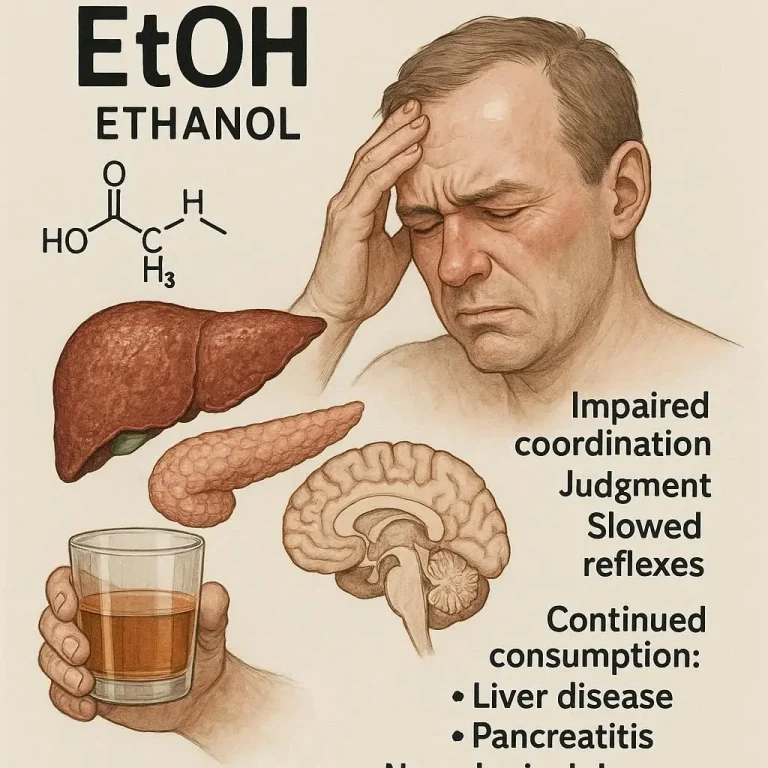
Embalming Fluid Abuse
Embalming Fluid (Wet/Fry): Dangers, Effects, and Treatment
The emergence of embalming fluid as a substance of abuse represents one of the most dangerous trends in drug misuse over the past several decades. Known on the streets by names like “wet,” “fry,” “sherm,” or “water-water,” this practice involves smoking marijuana or tobacco cigarettes that have been dipped in embalming fluid, often laced with PCP (phencyclidine). The results are devastating: severe psychological breaks, violent behavior, permanent brain damage, and in many cases, death.
As addiction and mental health professionals, we’ve witnessed firsthand the catastrophic impact this drug combination has on individuals, families, and communities. Unlike other substances where the dangers might unfold gradually, embalming fluid abuse can trigger immediate, life-threatening reactions that leave lasting damage even after a single use.
What Is Embalming Fluid Used for as a Street Drug?
When we discuss embalming fluid in the context of drug abuse, we’re typically referring to one of two scenarios. The first involves actual embalming fluid—a chemical solution primarily composed of formaldehyde (typically 5-35%), methanol, and other solvents used in mortuary science to preserve deceased bodies. The second, and often more dangerous combination, involves this formaldehyde mixture combined with PCP, a powerful dissociative anesthetic.
The practice of smoking marijuana dipped in embalming fluid emerged prominently in the 1980s and 1990s, though it continues to pose serious public health risks today. Users seek the intense hallucinogenic and dissociative effects, but what they’re actually exposing themselves to is a toxic cocktail of carcinogenic chemicals and potentially brain-altering substances.
According to the National Institute on Drug Abuse (NIDA), PCP was developed in the 1950s as an intravenous anesthetic but was discontinued for human use due to severe adverse effects including agitation, hallucinations, and delirium. When combined with formaldehyde, the dangers multiply exponentially.
Common Street Names for Embalming Fluid
Understanding the language of addiction is crucial for early intervention. Embalming fluid and PCP-laced substances go by numerous street names, including:
- Wet or wet sticks: Cigarettes or marijuana joints dipped in embalming fluid
- Fry or fry sticks: Similar to wet, often specifically indicating PCP presence
- Sherm or sherm sticks: Derived from “Sherman,” a brand of cigarettes commonly used
- Water-water: Street slang that can refer to the liquid itself
- Amp or amp joint: Marijuana combined with formaldehyde and/or PCP
- Dip or dipper: The act of dipping tobacco or marijuana into the liquid
- Wack or wac: The drug in its prepared form
- Clickums: Used in some regional areas
- Illy or illies: Particularly common in certain urban communities
The variety of names makes it challenging for parents, educators, and healthcare providers to identify abuse, which is why education and awareness remain critical.
How Is Embalming Fluid Used as a Drug?
The most common method of embalming fluid abuse involves dipping marijuana cigarettes, regular tobacco cigarettes, or tobacco rolling papers into the liquid. The cigarette is then allowed to dry before smoking. Some users apply the liquid directly to marijuana buds, while others may dip pre-rolled cigarettes multiple times to increase potency.
The practice of smoking formaldehyde is incredibly dangerous on its own, even before considering the additional effects of PCP or other adulterants that may be present. When burned and inhaled, formaldehyde becomes even more toxic, releasing additional harmful compounds into the lungs and bloodstream.
Less commonly, some individuals have been known to drink small amounts of the liquid mixture, though this method carries an extremely high risk of fatal formaldehyde poisoning. The Centers for Disease Control and Prevention (CDC) classifies formaldehyde as a known human carcinogen, and acute poisoning can cause severe burns to mucous membranes, respiratory failure, and death.
The Chemical Composition: Understanding the Danger
To fully grasp the risks of embalming fluid abuse, we must understand what users are actually inhaling into their bodies.
Formaldehyde Toxicity
Formaldehyde (chemical formula CH₂O) is a colorless, strong-smelling chemical used widely in industrial applications and mortuary science. When used as intended in funeral homes, it’s handled with extreme care using protective equipment. The CDC’s formaldehyde hazard information makes clear that even occupational exposure requires strict safety protocols.
When smoked, formaldehyde exposure causes immediate respiratory irritation, but the long-term consequences are far worse. Studies have linked formaldehyde inhalation to nasopharyngeal cancer, lung damage, and systemic toxicity affecting multiple organ systems.
PCP (Phencyclidine): The Other Dangerous Component
Many street preparations of “wet” drugs contain PCP, though users may not know this. PCP is classified by the U.S. Drug Enforcement Administration (DEA) as a Schedule II controlled substance due to its high potential for abuse and severe psychological effects.
PCP acts as an NMDA receptor antagonist, disrupting normal glutamate function in the brain. This produces dissociative effects—users feel detached from their environment and their own bodies. The drug also affects dopamine reuptake, contributing to its addictive potential and the psychotic symptoms commonly observed.
Is Embalming Fluid the Same Thing as PCP?
This is a common misconception that needs clarification. Embalming fluid and PCP are not the same thing, though the terms are sometimes used interchangeably on the street, creating dangerous confusion.
True embalming fluid is a formaldehyde-based chemical solution. PCP is a synthetic drug chemically unrelated to formaldehyde. However, in street drug culture, liquid PCP is sometimes called “embalming fluid,” and many “wet” preparations contain both actual formaldehyde-based embalming fluid and PCP.
The distinction matters enormously for treatment. Formaldehyde poisoning requires different medical interventions than PCP intoxication, and when someone presents at an emergency room having smoked “wet,” healthcare providers must consider exposure to both substances.
What Does Embalming Fluid Do to the Brain and Body?
The effects of smoking embalming fluid are both immediate and potentially permanent. Understanding these impacts is crucial for anyone considering use and for families trying to recognize the signs of abuse.
Immediate Effects
Within minutes of smoking a wet drug, users experience a range of effects that can include:
Psychological symptoms:
- Intense euphoria followed by severe dysphoria
- Visual and auditory hallucinations
- Profound confusion and disorientation
- Feelings of superhuman strength or invulnerability
- Severe paranoia and anxiety
- Complete disconnection from reality (dissociation)
- Time distortion
Physical symptoms:
- Numbness throughout the body
- Impaired coordination and difficulty walking
- Slurred speech
- Involuntary eye movements (nystagmus)
- Elevated heart rate and blood pressure
- Increased body temperature
- Respiratory depression
- Seizures in severe cases
The hallucinations from smoking embalming fluid can be terrifying and unpredictable. Users report seeing things that aren’t there, hearing voices, and experiencing profound alterations in their perception of reality that can last for hours or even days.
The Dangers of Delusions and Violent Behavior
One of the most dangerous aspects of embalming fluid abuse is the potential for violent behavior and delusions of superhuman strength. These effects appear to stem primarily from the PCP component, though the toxic effects of formaldehyde on the brain may contribute.
Users in this state may attempt dangerous feats, believing themselves invulnerable to harm. There are documented cases of individuals jumping from buildings, walking into traffic, or engaging in violent confrontations with law enforcement while under the influence. The dissociative effects can make users completely unresponsive to pain, allowing them to continue dangerous behaviors even when injured.
The violent behavior after smoking embalming fluid isn’t simply aggression—it’s often a manifestation of severe psychosis, paranoia, and the complete inability to assess reality. This makes users a danger to themselves and others.
How Long Do the Effects Last?
The duration of effects from smoking wet or sherm varies considerably based on several factors: the potency of the mixture, whether PCP is present, the amount smoked, and individual physiology. Generally, the acute intoxication period lasts 4-6 hours, but residual effects can persist much longer.
Users often experience what’s called a “hangover” period lasting 24-48 hours, characterized by depression, anxiety, confusion, and difficulty concentrating. However, for some individuals, particularly those who use heavily or repeatedly, psychotic symptoms can persist for days, weeks, or even become permanent.
Memory loss and blackouts from wet drugs are common, with many users reporting complete amnesia for events that occurred during intoxication. This amnesia can be particularly dangerous, as users may engage in harmful behaviors with no subsequent memory of their actions.
Can Smoking Embalming Fluid Cause Permanent Brain Damage?
The short answer is yes. Both components of typical wet drugs—formaldehyde and PCP—are neurotoxic substances capable of causing lasting harm to brain structure and function.
Formaldehyde’s Impact on the Brain
Formaldehyde crosses the blood-brain barrier and can cause direct damage to neurons. Research indicates that chronic formaldehyde exposure affects cognitive function, memory, and attention. The brain damage from smoking fry may include:
- Structural changes visible on brain imaging
- Impaired neurotransmitter function
- Oxidative stress and inflammation
- Acceleration of neurodegenerative processes
- Permanent deficits in memory and executive function
PCP’s Long-Term Neurological Effects
The National Institute on Drug Abuse documents that repeated PCP use can result in long-term neurological problems, including:
- Persistent speech difficulties
- Memory loss that may be irreversible
- Depression and anxiety that can last for years
- Difficulties with abstract thinking
- Social withdrawal
The effects of embalming fluid on serotonin and dopamine systems are particularly concerning. PCP’s impact on these neurotransmitter systems can lead to persistent mood disorders, anhedonia (inability to feel pleasure), and increased risk of developing other mental health conditions.
Psychosis, Hallucinations, and Mental Health Consequences
Perhaps no effect of embalming fluid abuse is more devastating or persistent than the psychiatric consequences. The psychotic symptoms from embalming fluid abuse can be severe and in some cases, permanent.
Embalming Fluid-Induced Psychosis
Wet drug use can trigger psychotic episodes that mirror schizophrenia, including:
- Paranoid delusions (believing others are plotting against you)
- Command hallucinations (hearing voices telling you to do things)
- Disorganized thinking and speech
- Bizarre behavior
- Flat or inappropriate affect
- Social withdrawal
According to the National Institute of Mental Health (NIMH), drug-induced psychosis, particularly from dissociative substances like PCP, can be difficult to distinguish from primary psychotic disorders. More concerning, some individuals never fully recover, experiencing persistent psychotic symptoms long after drug use has stopped.
Why Does Embalming Fluid Use Lead to Violent or Aggressive Behavior?
The violent behavior associated with wet drugs stems from multiple mechanisms:
- Dissociation: Users lose connection with reality and their own bodies, removing normal behavioral inhibitions
- Paranoia: Extreme paranoid thoughts can lead users to believe they’re being attacked or threatened
- Pain insensitivity: The anesthetic effects of PCP mean users don’t respond normally to injury or physical restraint
- Impaired judgment: The toxic effects on the frontal lobe impair decision-making and impulse control
- Agitation: The combination of stimulant and dissociative effects can produce extreme restlessness and agitation
Can Embalming Fluid Use Lead to Long-Term Mental Health Problems?
Beyond acute psychosis, chronic wet drug use significantly increases the risk of persistent mental health disorders. These may include:
- Chronic depression requiring long-term treatment
- Anxiety disorders including PTSD-like symptoms
- Persistent cognitive impairment affecting work and relationships
- Increased risk of developing schizophrenia or related disorders
- Personality changes including increased aggression and social withdrawal
Research suggests that individuals with pre-existing mental health vulnerabilities are at particularly high risk for developing permanent psychiatric complications from dissociative drug abuse.
Physical Health Consequences: Beyond the Brain
While the neurological and psychiatric effects are most dramatic, the physical long-term effects of using fry cause serious damage throughout the body.
Respiratory System Damage
The lung damage from smoking embalming fluid is severe and progressive. Formaldehyde is highly irritating to respiratory tissue, causing:
- Chronic bronchitis and inflammation
- Reduced lung function
- Increased risk of respiratory infections
- Development of asthma or worsening of existing asthma
- Increased cancer risk (particularly nasopharyngeal and lung cancer)
- Potential respiratory failure in cases of acute poisoning
The carcinogenic effects of embalming fluid abuse cannot be overstated. The CDC has classified formaldehyde as a known human carcinogen, and repeated exposure through smoking dramatically increases cancer risk.
Systemic Toxicity
Formaldehyde poisoning from drug abuse affects multiple organ systems:
Liver damage: The liver must process and eliminate formaldehyde and its metabolites, leading to potential hepatotoxicity with repeated exposure.
Kidney damage: Formaldehyde and its breakdown products are excreted through the kidneys, potentially causing nephrotoxicity.
Cardiovascular effects: Both PCP and formaldehyde can cause elevated heart rate, increased blood pressure, and in severe cases, arrhythmias or heart attack.
Gastrointestinal problems: Nausea, vomiting, and potential damage to the GI tract lining.
The body tissue destruction from smoking embalming fluid occurs at the cellular level, with formaldehyde capable of damaging DNA and interfering with normal cellular function throughout the body.
Neurological Complications
Beyond cognitive changes, physical neurological problems include:
- Impaired coordination from wet drug use that may persist
- Seizures caused by smoking sherm, particularly with repeated use
- Peripheral neuropathy (nerve damage in extremities)
- Movement disorders
Risks During Pregnancy
The risks of embalming fluid in pregnant women are catastrophic. Formaldehyde crosses the placental barrier and is toxic to developing fetal tissue. Potential consequences include:
- Miscarriage
- Premature birth
- Low birth weight
- Developmental abnormalities
- Neurological damage to the developing brain
- Long-term developmental delays in children exposed in utero
Signs Someone Is Smoking Wet or Fry
Early recognition of embalming fluid abuse can be lifesaving. Family members, friends, and healthcare providers should be alert to these warning signs:
Behavioral Changes
- Sudden mood swings or personality changes
- Increased aggression or violent outbursts
- Paranoid statements or behaviors
- Social isolation
- Neglect of responsibilities
- Engaging in dangerous or bizarre activities
Physical Signs
- Chemical smell on clothing or breath
- Bloodshot eyes with unusual eye movements
- Unsteady gait or poor coordination
- Slurred speech
- Excessive sweating
- Burns on fingers or lips from holding burning cigarettes
Psychological Symptoms
- Hallucinations (seeing or hearing things)
- Confused or disorganized speech
- Memory problems or periods of amnesia
- Extreme paranoia
- Statements about feeling disconnected from reality
- Reports of superhuman abilities
Paraphernalia
- Cigarettes stored in glass jars or bags with liquid
- Small bottles containing clear or colored liquid
- Cigarettes that look wet or discolored
- Strong chemical odors in living spaces
What Should I Do If I Suspect Someone Has Overdosed on Embalming Fluid?
An overdose or severe reaction to wet drugs is a medical emergency requiring immediate intervention.
Immediate Steps:
- Call 911 immediately: Do not wait to see if symptoms improve
- Ensure safety: Remove the person from any dangerous situations, but do not attempt physical restraint if they’re violent (you may be injured)
- Provide information to responders: Tell paramedics exactly what you know about what was used
- Stay with the person: Monitor breathing and consciousness
- Position safely: If unconscious, place in recovery position to prevent choking
What NOT to Do:
- Do not try to make the person vomit
- Do not give them food, drink, or any medications
- Do not leave them alone
- Do not attempt to physically restrain someone who is agitated unless absolutely necessary for safety
Emergency Symptoms Requiring Immediate Medical Attention:
- Difficulty breathing or respiratory distress
- Chest pain
- Seizures
- Loss of consciousness
- Violent behavior toward self or others
- Severe confusion or inability to respond
- Symptoms of formaldehyde poisoning (severe burning sensation, respiratory distress, convulsions)
Emergency rooms are equipped to handle toxic exposures and will not judge the person for their drug use. Getting immediate medical care can mean the difference between recovery and permanent damage or death.
Is Embalming Fluid Addiction Curable? Understanding Dependency
The question of whether addiction to wet drugs follows the same pattern as other substance dependencies is complex. While formaldehyde itself doesn’t produce the same type of physical addiction as opioids, the psychological dependence on wet drugs can be profound and challenging to overcome.
The Nature of Wet Drug Addiction
Users develop several types of dependency:
Psychological addiction: The intense dissociative and hallucinogenic effects create powerful psychological cravings. Users may feel unable to cope with reality without the drug’s effects.
Behavioral patterns: The ritual of use and the lifestyle surrounding wet drug culture become deeply ingrained.
Neurochemical changes: Repeated PCP exposure alters brain chemistry, particularly dopamine systems, creating biological drives to continue use.
Escape mechanism: Many users are self-medicating underlying trauma, mental health issues, or difficult life circumstances, making the drug feel essential for emotional survival.
Is Recovery Possible?
Yes, recovery from embalming fluid addiction is possible, though it requires comprehensive, specialized treatment. The key factors for successful recovery include:
- Early intervention before permanent brain damage occurs
- Integrated treatment addressing both addiction and mental health
- Long-term support and relapse prevention
- Treatment of underlying issues that contributed to use
- Family involvement and support systems
At The Recover, we understand that addiction to dissociative drugs requires a specialized approach that addresses both the physical toxicity and the profound psychological components of dependency.
Treatment for Embalming Fluid Abuse: A Comprehensive Approach
Successful treatment for wet drug abuse typically requires multiple phases and integrated care approaches.
Phase 1: Medical Detoxification
For individuals actively using embalming fluid, medically supervised detox for fry abuse is crucial. Unlike some substances, sudden cessation of chronic PCP use can trigger serious psychiatric symptoms including:
- Severe depression
- Intense anxiety
- Psychotic symptoms
- Suicidal ideation
- Aggressive behaviors
The wet drug withdrawal symptoms timeline typically follows this pattern:
Days 1-3: Acute physical symptoms including headache, nausea, increased heart rate, and intense cravings
Days 4-7: Peak psychological symptoms including depression, anxiety, and sleep disturbances
Weeks 2-4: Continued depression, cravings, and difficulty concentrating
Months 1-6: Gradual improvement but persistent vulnerabilities including post-acute withdrawal syndrome (PAWS)
Medical supervision during this period ensures safety and can provide medications to manage symptoms, though there are no FDA-approved medications specifically for PCP or embalming fluid withdrawal.
Specialized Detox Requirements
Is specialized detox required for abuse involving formaldehyde and PCP? The answer is generally yes, particularly for heavy or long-term users. Standard addiction detox programs may not be equipped to handle:
- The severity of psychotic symptoms
- Medical complications from formaldehyde toxicity
- The extended timeline of neurological recovery
- Co-occurring traumatic brain injury from behaviors during use
Inpatient rehabilitation provides the intensive medical supervision necessary during the early stages of recovery.
Phase 2: Residential Treatment
Following detox, residential treatment offers the structured environment necessary for early recovery. This phase typically lasts 30-90 days and includes:
Cognitive Behavioral Therapy (CBT): Helping individuals recognize and change thought patterns and behaviors associated with use
Dialectical Behavior Therapy (DBT): Particularly effective for managing the emotional dysregulation common in dissociative drug users
Trauma-informed therapy: Many wet drug users have significant trauma histories requiring specialized intervention
Group therapy: Building connection with others in recovery and developing peer support
Psychoeducation: Understanding the neurobiology of addiction and the specific effects of embalming fluid
Therapy for embalming fluid-induced psychosis: Specialized interventions for persistent psychiatric symptoms
Family therapy: Healing relationships and building family support systems
Counseling for aggression after embalming fluid use: Addressing violent behaviors and developing emotional regulation skills
Finding rehab for dissociative drug abuse that understands the unique challenges of these substances is essential. Not all addiction treatment centers have experience with the severity of cognitive and psychiatric issues that wet drug users often present with.
Phase 3: Outpatient Treatment and Continuing Care
As individuals progress in recovery, outpatient addiction rehab allows them to maintain treatment while reintegrating into daily life. The decision between inpatient vs outpatient care depends on several factors:
Inpatient is recommended when:
- There’s recent heavy use
- Persistent psychotic symptoms exist
- There’s high risk of relapse
- The home environment is unstable
- Co-occurring severe mental health issues are present
Outpatient may be appropriate when:
- Initial stabilization has occurred
- There’s strong family/social support
- The individual has established sobriety
- There’s no immediate safety risk
- Work or family responsibilities need to be maintained
Effective outpatient treatment includes:
- Regular individual therapy sessions
- Ongoing psychiatric care and medication management
- Group therapy and peer support
- Drug testing to monitor abstinence
- Relapse prevention strategies for wet drugs
- Vocational rehabilitation if needed
- Ongoing medical monitoring for complications
What Therapeutic Approaches Are Most Effective?
Research and clinical experience suggest several evidence-based approaches are particularly effective for addiction treatment for PCP and embalming fluid:
Cognitive Behavioral Therapy: Helps rebuild cognitive function while addressing addiction patterns
Contingency Management: Provides tangible rewards for maintaining sobriety, effective for many substance use disorders
Motivational Enhancement: Helps individuals develop internal motivation for change
Integrated treatment for co-occurring disorders: Addresses both addiction and mental health simultaneously
Long-term medication management: For persistent psychiatric symptoms
Cognitive rehabilitation: Addressing the brain damage and cognitive deficits from use
What Is the Typical Timeline for Recovery?
The timeline for recovery from embalming fluid addiction varies considerably based on:
- Duration and intensity of use
- Presence of permanent brain damage
- Co-occurring mental health conditions
- Quality of treatment received
- Social support and resources
A general timeline includes:
Months 1-3: Detox and initial stabilization, acute withdrawal management, beginning of therapeutic work
Months 4-6: Cognitive function begins to improve, reduction in psychiatric symptoms, development of coping skills
Months 7-12: Continued neurological recovery, building life skills, addressing underlying trauma
Years 1-2: Ongoing recovery management, potential for continued cognitive improvement, life reconstruction
Long-term: Relapse prevention, managing any persistent effects, maintaining recovery
It’s important to understand that some individuals, particularly those with extensive use history, may have permanent deficits requiring lifelong support and accommodation.
Support for Families and Loved Ones
Addiction to wet drugs doesn’t just affect the individual—entire families are impacted by this devastating disease.
How Can Family Members Find Support?
Families need their own support system including:
- Al-Anon and Nar-Anon: 12-step programs specifically for families of addicts
- Family therapy: Processing the trauma and rebuilding relationships
- Education: Understanding addiction as a disease, not a moral failing
- Self-care: Maintaining their own mental and physical health
- Boundary setting: Learning healthy ways to support without enabling
At The Recover treatment centers, family involvement is considered essential to long-term recovery success.
What Is the Best Way to Talk to Someone About Their Wet Drug Use?
Approaching a loved one about their drug use requires care and planning:
Do:
- Choose a time when they’re sober
- Express concern from a place of love, not judgment
- Use specific examples of behaviors you’ve witnessed
- Offer concrete help (researching treatment options, making calls)
- Set boundaries about what you will and won’t tolerate
- Be prepared with treatment information
Don’t:
- Confront them while they’re intoxicated
- Enable use by providing money, housing without conditions, or making excuses
- Make threats you’re not willing to follow through on
- Expect them to accept help immediately
- Take their resistance personally
Remember that addiction is a chronic disease. Multiple conversations and interventions may be necessary before someone accepts help.
Finding Help: Where to Start
If you or a loved one is struggling with embalming fluid addiction, immediate help is available:
- The Recover contact: Connect with addiction specialists who understand dissociative drug abuse
- SAMHSA National Helpline: 1-800-662-HELP (4357) – Free, confidential, 24/7 treatment referral service
- Emergency services: For immediate safety concerns, call 911
- Crisis text line: Text HOME to 741741 for crisis support
Remember: seeking help is not a sign of weakness but of strength and the first step toward recovery.
Prevention and Education
Understanding the dangers is the first step in prevention. Communities, schools, and families must work together to educate young people about the severe risks of embalming fluid abuse.
Risk Factors for Wet Drug Use
Certain factors increase vulnerability to trying wet drugs:
- Prior drug experimentation, particularly with hallucinogens
- Peer pressure and drug-using peer groups
- Untreated mental health conditions
- Trauma history
- Low socioeconomic status and limited opportunities
- Lack of family involvement or supervision
Protective Factors
We can strengthen protective factors including:
- Strong family bonds and communication
- Involvement in prosocial activities
- Academic engagement and success
- Mental health treatment when needed
- Positive peer relationships
- Community connectedness
The Public Health Perspective
Embalming fluid abuse represents a significant public health challenge requiring coordinated responses from healthcare, law enforcement, education, and community organizations. According to data available through the Substance Abuse and Mental Health Services Administration, while overall rates of PCP use have declined from peak levels in the 1970s-1980s, pockets of use persist, particularly in certain urban communities.
The DEA’s information on PCP classification as a Schedule II controlled substance reflects the recognized danger and lack of accepted medical use for this substance. However, embalming fluid itself remains legally accessible for its intended mortuary purposes, creating challenges for prevention.
The Path Forward
Addressing embalming fluid abuse requires:
- Continued research into treatment approaches
- Education campaigns targeting at-risk communities
- Improved access to mental health and addiction services
- Reduced stigma around seeking help
- Support for long-term recovery management
- Attention to the social determinants driving drug use
Frequently Asked Questions (FAQs)
What is embalming fluid used for as a street drug?
Embalming fluid, when abused as a street drug (commonly called “wet” or “fry”), involves dipping marijuana cigarettes or tobacco products into a liquid mixture. This liquid may contain actual formaldehyde-based embalming fluid, PCP (phencyclidine), or a combination of both. Users smoke these dipped cigarettes seeking intense hallucinogenic and dissociative effects. The practice is extremely dangerous, exposing users to toxic chemicals that can cause permanent brain damage, psychosis, and death.
What are the common street names for embalming fluid used to get high?
Street names include wet, fry, sherm, sherm sticks, water-water, dip, dipper, amp, wack, clickums, and illy. These terms may refer to the liquid itself or to cigarettes that have been dipped in the mixture. The variety of slang names makes it challenging for parents and educators to identify use.
What are the dangers of smoking marijuana dipped in embalming fluid?
Smoking marijuana dipped in embalming fluid exposes users to formaldehyde, a toxic carcinogen that causes severe lung damage, cancer risk, and organ toxicity. Additionally, many preparations contain PCP, causing hallucinations, psychosis, violent behavior, and potential permanent brain damage. Effects can include respiratory failure, seizures, coma, and death. Even a single use can trigger lasting psychiatric problems.
What does embalming fluid do to the brain and body immediately after use?
Immediate effects include intense hallucinations, complete disconnection from reality (dissociation), numbness, impaired coordination, confusion, paranoia, and feelings of superhuman strength. Physical effects include elevated heart rate and blood pressure, respiratory depression, involuntary eye movements, and increased body temperature. Users may experience violent outbursts, engage in dangerous behaviors, and have no memory of their actions during intoxication.
How long do the effects of smoking wet or sherm last?
Acute intoxication typically lasts 4-6 hours, but residual effects can persist for 24-48 hours or longer. Some users experience psychotic symptoms lasting days, weeks, or even becoming permanent. Memory loss and cognitive impairment may continue long after the drug’s immediate effects wear off. The unpredictability of duration makes the drug particularly dangerous.
What are the signs and symptoms that someone has smoked embalming fluid?
Warning signs include chemical odor on breath or clothing, bloodshot eyes with unusual movements, unsteady gait, slurred speech, hallucinations, paranoid statements, aggressive behavior, confusion, amnesia about recent events, and possession of cigarettes stored in liquid. Behavioral changes may include sudden mood swings, social withdrawal, and engaging in bizarre or dangerous activities.
What are the dangers of formaldehyde poisoning from drug abuse?
Formaldehyde is a known carcinogen that causes severe tissue damage when inhaled. Acute poisoning can result in respiratory burns, respiratory failure, seizures, coma, and death. Chronic exposure causes lung damage, cancer risk (particularly nasopharyngeal and lung cancer), kidney and liver damage, and systemic toxicity affecting multiple organs. There is no safe level of formaldehyde exposure through smoking.
What should I do if I suspect someone has overdosed on embalming fluid?
Call 911 immediately. This is a medical emergency. Keep the person safe from harm but avoid physical restraint if they’re violent. Monitor breathing and consciousness. Provide emergency responders with all information about what was used. Do not try to make the person vomit or give them anything to eat or drink. Stay with them until help arrives. Emergency symptoms requiring immediate care include difficulty breathing, chest pain, seizures, loss of consciousness, and violent behavior.
Can smoking embalming fluid cause permanent brain damage?
Yes, absolutely. Both formaldehyde and PCP are neurotoxic substances that cause lasting damage to brain structure and function. Permanent effects may include memory impairment, reduced cognitive function, speech difficulties, personality changes, and increased risk of neurodegenerative diseases. Brain imaging studies show structural changes in chronic users. Some individuals develop persistent psychosis that never fully resolves.
Does embalming fluid abuse cause psychosis, hallucinations, or extreme paranoia?
Yes, these are among the most common and dangerous effects. Embalming fluid abuse, particularly preparations containing PCP, frequently triggers severe psychotic episodes including paranoid delusions, command hallucinations, disorganized thinking, and bizarre behavior. These symptoms may persist long after drug use stops. Some individuals develop permanent psychiatric disorders requiring lifelong treatment.
Why does embalming fluid use sometimes lead to violent or aggressive behavior?
Violence results from multiple factors: the dissociative effects disconnect users from reality and normal behavioral inhibitions; severe paranoia makes users believe they’re being threatened; the anesthetic properties of PCP create pain insensitivity, so users don’t respond to physical restraint; frontal lobe impairment disrupts judgment and impulse control. Users may experience delusions of superhuman strength and engage in dangerous confrontations with no awareness of consequences.
Is the physical addiction to wet drugs similar to opioid addiction?
Not exactly. While wet drugs don’t produce the same type of physical withdrawal as opioids, users develop profound psychological dependence. The neurochemical changes from repeated PCP exposure create biological cravings. Withdrawal includes severe depression, anxiety, psychotic symptoms, and intense cravings. The psychological and behavioral components of addiction are just as powerful as with physically addictive substances, requiring comprehensive treatment.
Can embalming fluid use lead to long-term mental health problems?
Yes, chronic use significantly increases risk for persistent mental health disorders including chronic depression, anxiety disorders, cognitive impairment affecting daily functioning, increased risk of developing schizophrenia or related psychotic disorders, personality changes, and social dysfunction. Those with pre-existing mental health vulnerabilities face particularly high risk for permanent psychiatric complications.
What are the physical long-term effects of using fry?
Long-term physical consequences include severe lung damage and respiratory disease, increased cancer risk (lung, throat, nasopharyngeal), kidney and liver damage, cardiovascular problems including elevated risk of heart attack and stroke, neurological complications including seizure disorders and movement problems, peripheral neuropathy, weakened immune system, and premature aging of organ systems. The carcinogenic properties of formaldehyde create lifelong cancer risk.
Is embalming fluid the same thing as PCP?
No, they are different substances, though the terms are sometimes confused on the street. Embalming fluid is a formaldehyde-based chemical preservative used in mortuary science. PCP (phencyclidine) is a synthetic dissociative anesthetic drug. However, many street preparations of “wet” drugs contain both formaldehyde and PCP, and liquid PCP is sometimes incorrectly called “embalming fluid.” This distinction matters for proper medical treatment of exposure.
Is it the PCP or the formaldehyde in embalming fluid that causes the danger?
Both substances are extremely dangerous, but in different ways. Formaldehyde is a toxic carcinogen causing respiratory damage, organ toxicity, and cancer risk. PCP causes the hallucinogenic, dissociative, and psychotic effects, along with neurological damage. When combined, the dangers multiply—users face both acute PCP intoxication risks and formaldehyde toxicity. Many emergency complications arise from the interaction of both substances.
What is the chemical composition of embalming fluid used in drug preparation?
Commercial embalming fluid typically contains 5-35% formaldehyde (a colorless toxic gas dissolved in water), methanol (10-15%), ethanol, and other solvents and preservatives. When used as a drug, it may be combined with PCP (concentration varies), and sometimes additional adulterants. The exact composition of street preparations is unpredictable and unregulated, creating additional danger as users never know exactly what they’re exposing themselves to.
How does the embalming fluid intensify the effects of marijuana?
The combination works through multiple mechanisms: PCP’s NMDA receptor antagonist properties create powerful dissociative effects that marijuana alone doesn’t produce; formaldehyde’s toxic effects on the brain add to altered consciousness; the chemicals may alter THC absorption and metabolism; psychological expectation of stronger effects influences the experience. The result is a vastly more dangerous and unpredictable high than marijuana alone, with severe health consequences.
What are the withdrawal symptoms for embalming fluid or wet drug abuse?
Withdrawal symptoms include severe depression and emotional flatness, intense anxiety and agitation, psychotic symptoms (hallucinations, paranoia, delusions), strong cravings for the drug, difficulty sleeping or nightmares, difficulty concentrating and memory problems, headaches and physical discomfort, and suicidal thoughts in severe cases. The timeline spans several weeks to months, with psychological symptoms potentially persisting longer. Medical supervision is strongly recommended due to the severity of psychiatric symptoms.
Is specialized detox required for abuse involving formaldehyde and PCP?
Yes, specialized medical detox is strongly recommended, particularly for heavy or long-term users. Standard addiction detox programs may not be equipped to handle the severity of psychotic symptoms, medical complications from formaldehyde toxicity, extended neurological recovery timeline, and potential co-occurring traumatic brain injury from behaviors during use. Medical supervision ensures safety and provides necessary psychiatric medication management during the acute withdrawal phase.
What therapeutic approaches are most effective for dissociative drug addiction?
Evidence-based approaches include Cognitive Behavioral Therapy (CBT) to rebuild cognitive function and address addiction patterns, Dialectical Behavior Therapy (DBT) for emotional regulation, trauma-informed therapy for underlying trauma, integrated treatment simultaneously addressing addiction and mental health, contingency management providing rewards for sobriety, motivational enhancement therapy, cognitive rehabilitation for brain damage effects, and long-term medication management for persistent psychiatric symptoms. A comprehensive, individualized approach yields the best outcomes.
What is the typical timeline for recovery from embalming fluid addiction?
Recovery timeline varies by individual but generally follows this pattern: months 1-3 involve detox, acute withdrawal management, and initial stabilization; months 4-6 show cognitive function improvement and reduction in psychiatric symptoms; months 7-12 continue neurological recovery and life skill building; years 1-2 focus on long-term relapse prevention and life reconstruction. Some individuals, particularly those with extensive use history, may have permanent deficits requiring lifelong support. Recovery is possible but requires commitment and comprehensive treatment.
How can family members find support when a loved one is addicted to fry?
Family support resources include Al-Anon and Nar-Anon (12-step programs for families of addicts), family therapy at addiction treatment centers, educational programs about addiction, support groups specifically for families dealing with addiction, individual counseling to process trauma and stress, and organizations like The Recover that provide family-centered care. Self-care and boundary-setting are essential for family members’ own wellbeing while supporting their loved one’s recovery.
Where can I find an addiction treatment center specializing in PCP/dissociative drugs?
Start by contacting The Recover, which specializes in complex addiction cases including dissociative drug abuse. The SAMHSA National Helpline (1-800-662-HELP) provides free, confidential treatment referrals nationwide. Look for programs offering medical detox, psychiatric care, cognitive rehabilitation, and long-term support. Not all treatment centers have experience with the severity of complications from wet drug use, so ask specifically about their experience with dissociative drug addiction during the inquiry process.
What is the best way to talk to someone about their wet drug use?
Choose a time when they’re sober and approach from a place of love rather than judgment. Use specific examples of behaviors you’ve witnessed that concern you. Express your care for them and your fear about the dangers they face. Offer concrete help like researching treatment options or making initial calls together. Set clear boundaries about what behaviors you will and won’t tolerate. Be prepared with treatment information but understand they may not accept help immediately. Don’t enable use by providing money or making excuses. Expect resistance but maintain your message of concern and willingness to help when they’re ready.
Conclusion: Hope Through Understanding and Treatment
Embalming fluid abuse represents one of the most dangerous forms of drug misuse, causing devastating immediate and long-term consequences. The combination of toxic formaldehyde exposure and PCP’s powerful dissociative effects creates a perfect storm of health risks including permanent brain damage, persistent psychosis, organ damage, violent behavior, and death.
However, understanding these dangers is the first step toward prevention and recovery. For those already struggling with wet drug addiction, comprehensive treatment is available and recovery is possible. The sooner treatment begins, the better the chances for minimizing permanent damage and rebuilding a healthy life.
If you or someone you love is struggling with embalming fluid, PCP, or any other substance abuse, reach out for help today. At The Recover, we understand the unique challenges of dissociative drug addiction and provide specialized, compassionate care that addresses the whole person—body, mind, and spirit.
Recovery is possible. Treatment works. Hope exists.
For immediate help:
- Contact The Recover: https://therecover.com/contact/
- SAMHSA National Helpline: 1-800-662-HELP (4357)
- Emergency situations: Call 911
Remember: seeking help is a sign of strength, not weakness. Your life—or the life of someone you love—is worth saving.
This article is intended for educational purposes only and does not constitute medical advice. If you are experiencing a medical emergency related to drug use, call 911 immediately. For personalized treatment recommendations, please consult with qualified healthcare and addiction treatment professionals.
Sources: