IOP For Anxiety and Depression Los Angeles
Outpatient Treatment for Anxiety and Depression in Los Angeles: Your Complete Guide to Recovery
When anxiety and depression begin to overwhelm your daily life, finding the right treatment can feel like navigating through a maze of confusing options and overwhelming choices. In Los Angeles, where the pace of life can exacerbate mental health challenges, understanding your treatment options becomes crucial for reclaiming your well-being. This comprehensive guide explores everything you need to know about outpatient treatment for anxiety and depression Los Angeles, providing you with the knowledge to make informed decisions about your mental health journey.
Mental health struggles affect millions of Americans, with anxiety disorders being the most common mental illness in the United States, affecting 40 million adults annually according to the National Institute of Mental Health. Depression, often co-occurring with anxiety, creates a complex web of symptoms that can significantly impact your quality of life, relationships, and professional success.
The good news is that effective treatment options exist, and outpatient programs have shown remarkable success rates in helping individuals overcome these challenges while maintaining their daily responsibilities. Unlike residential treatment, outpatient care allows you to receive professional mental health services while continuing to work, attend school, and maintain your family obligations.
Understanding Anxiety and Depression: The Foundation of Treatment
Before exploring treatment options, it’s essential to understand what you’re dealing with. Anxiety disorders encompass a range of conditions including generalized anxiety disorder, panic disorder, social anxiety disorder, and specific phobias. These conditions go far beyond normal worry or stress, creating persistent, excessive fear that interferes with daily activities.
Depression, on the other hand, involves persistent feelings of sadness, hopelessness, and loss of interest in activities once enjoyed. When anxiety and depression occur together—which happens in approximately 60% of cases—the symptoms can amplify each other, creating a particularly challenging situation that requires specialized treatment approaches.
The complexity of co-occurring anxiety and depression means that effective treatment must address both conditions simultaneously. This dual approach prevents the common scenario where treating one condition inadvertently worsens the other, ensuring comprehensive healing and sustainable recovery.
The Landscape of Outpatient Mental Health Treatment in Los Angeles
Los Angeles County serves as home to over 10 million residents, many of whom face unique stressors related to career pressures, cost of living, traffic, and the fast-paced lifestyle characteristic of major metropolitan areas. These environmental factors can contribute to the development or exacerbation of anxiety and depression, making access to quality mental health treatment more critical than ever.
The city’s diverse population brings both opportunities and challenges to mental health treatment. Cultural competency becomes essential when addressing anxiety and depression in communities with varying backgrounds, belief systems, and approaches to mental health. Effective Los Angeles mental health outpatient program for young adults must consider these cultural nuances to provide truly personalized care.
Geographic considerations also play a significant role in treatment accessibility. Los Angeles County spans nearly 5,000 square miles, and transportation can be a significant barrier to consistent treatment participation. This reality has led to the development of multiple treatment locations throughout the region, as well as innovative telehealth options that break down geographic barriers.
Types of Outpatient Treatment Programs Available
Intensive Outpatient Programs (IOPs)
Intensive Outpatient Program (IOP) for anxiety and depression Los Angeles represents one of the most popular and effective treatment modalities for individuals who need structured support without residential placement. IOPs typically involve 9-15 hours of treatment per week, spread across three to five days, allowing participants to maintain work or school commitments while receiving comprehensive care.
The structure of IOPs includes individual therapy sessions, group therapy, family therapy when appropriate, medication management, and educational workshops. This comprehensive approach addresses anxiety and depression from multiple angles, providing participants with a toolkit of coping strategies and therapeutic techniques.
What makes IOPs particularly effective for anxiety and depression is their ability to provide real-time support as participants navigate daily stressors. Unlike weekly therapy sessions, IOPs offer frequent touchpoints with clinical staff, allowing for immediate intervention when symptoms escalate or new challenges arise.
Partial Hospitalization Programs (PHPs)
Partial Hospitalization Program (PHP) Los Angeles mental health services provide the highest level of outpatient care, typically involving 6-8 hours of treatment per day, five days per week. PHPs serve as an excellent step-down from inpatient care or as an intensive alternative for individuals who need more support than traditional IOPs provide.
The intensive nature of PHPs makes them particularly suitable for individuals with severe anxiety and depression symptoms, those who have not responded well to less intensive treatments, or those transitioning from inpatient care. The program includes all the components of IOPs but with greater frequency and intensity.
PHPs often incorporate specialized tracks for specific populations, such as Los Angeles intensive outpatient program for women’s mental health, recognizing that gender-specific factors can significantly impact the presentation and treatment of anxiety and depression.
Traditional Outpatient Therapy
Standard outpatient therapy involves weekly or bi-weekly sessions with a licensed mental health professional. While less intensive than IOPs or PHPs, traditional therapy remains an essential component of mental health treatment and often serves as a long-term maintenance approach following completion of more intensive programs.
Anxiety and depression counseling Los Angeles through traditional outpatient therapy allows for deep exploration of underlying issues, development of long-term coping strategies, and ongoing support for maintaining mental health stability. Many individuals find that this level of care provides the perfect balance of support and independence.
Evidence-Based Treatment Approaches
Cognitive Behavioral Therapy (CBT)
Cognitive Behavioral Therapy (CBT) for anxiety Los Angeles stands as one of the most researched and effective treatments for both anxiety and depression. CBT operates on the principle that our thoughts, feelings, and behaviors are interconnected, and by changing negative thought patterns, we can improve emotional well-being and behavioral responses.
The effectiveness of CBT for anxiety has been demonstrated in numerous clinical studies, with many participants experiencing significant symptom reduction within 12-16 weeks of treatment. For depression, CBT helps individuals identify and challenge negative thought patterns while developing more balanced and realistic thinking styles.
In the context of outpatient treatment, CBT provides practical tools that participants can immediately apply to their daily lives. Techniques such as cognitive restructuring, behavioral activation, and exposure therapy can be practiced and refined between sessions, maximizing treatment effectiveness.
Dialectical Behavior Therapy (DBT)
DBT (Dialectical Behavior Therapy) for anxiety and depression Los Angeles offers a specialized approach that combines CBT techniques with mindfulness practices and distress tolerance skills. Originally developed for individuals with borderline personality disorder, DBT has proven highly effective for anxiety and depression, particularly when emotional regulation difficulties are present.
DBT’s four core modules—mindfulness, distress tolerance, emotion regulation, and interpersonal effectiveness—provide comprehensive skills for managing intense emotions and improving relationships. For individuals whose anxiety and depression involve emotional overwhelm or interpersonal conflicts, DBT can be particularly transformative.
The group component of DBT, combined with individual therapy, creates a supportive learning environment where participants can practice new skills and receive feedback from both peers and clinicians. This combination of individual and group work maximizes skill acquisition and retention.
Holistic and Integrative Approaches
Holistic outpatient treatment for depression Los Angeles recognizes that mental health involves more than just symptom management—it encompasses physical health, spiritual well-being, social connections, and lifestyle factors. Holistic approaches integrate traditional therapeutic methods with complementary practices such as yoga, meditation, art therapy, music therapy, and nutritional counseling.
Research increasingly supports the effectiveness of holistic approaches in treating anxiety and depression. Mindfulness-based interventions, for example, have shown significant benefits for both conditions, helping individuals develop a different relationship with their thoughts and emotions.
The integration of physical wellness components addresses the well-established connection between physical and mental health. Regular exercise, proper nutrition, and adequate sleep significantly impact mood and anxiety levels, making these lifestyle factors essential components of comprehensive treatment.
Specialized Programs and Populations
Treatment for Young Adults
Depression and anxiety treatment for teens Los Angeles and young adults requires specialized approaches that address the unique developmental, social, and academic pressures facing this population. Young adult programs typically incorporate technology-based interventions, peer support groups, and family involvement to create comprehensive treatment experiences.
The transition from adolescence to adulthood brings unique stressors including college pressures, career decisions, relationship challenges, and increasing independence. Treatment programs designed for this population address these specific concerns while building life skills and coping strategies that will serve individuals throughout their adult lives.
Social anxiety, in particular, can be especially challenging for young adults as they navigate new social and professional environments. Specialized interventions, including practical ways to destroy social anxiety, help young people develop confidence and social skills essential for success in academic and professional settings.
Dual Diagnosis Treatment
Dual diagnosis outpatient treatment Los Angeles addresses the complex needs of individuals who struggle with both mental health disorders and substance abuse. The co-occurrence of anxiety, depression, and substance use disorders is remarkably common, with each condition potentially triggering or exacerbating the others.
Outpatient therapy for co-occurring anxiety and substance abuse Los Angeles requires specialized clinical expertise and integrated treatment approaches. Treating only the mental health symptoms while ignoring substance use, or vice versa, typically results in poor outcomes and high relapse rates.
Effective dual diagnosis treatment addresses the underlying connections between mental health symptoms and substance use, helping individuals develop healthy coping mechanisms that don’t rely on drugs or alcohol. This integrated approach significantly improves long-term recovery outcomes for both conditions.
Gender-Specific Treatment
Research demonstrates that anxiety and depression can present differently in men and women, and treatment approaches may need to be tailored accordingly. Women, for example, are twice as likely to experience depression and anxiety disorders, and hormonal factors can significantly impact symptom presentation and treatment response.
Los Angeles intensive outpatient program for women’s mental health addresses gender-specific factors including hormonal influences, pregnancy and postpartum considerations, relationship dynamics, and societal pressures that disproportionately affect women. These programs create safe spaces for women to explore these issues with peers who share similar experiences.
Men’s mental health programs address different concerns, including societal expectations around emotional expression, career pressures, and the tendency for depression to present as anger or irritability rather than sadness. Gender-specific programming allows for more targeted and effective treatment approaches.
The Role of Group Therapy
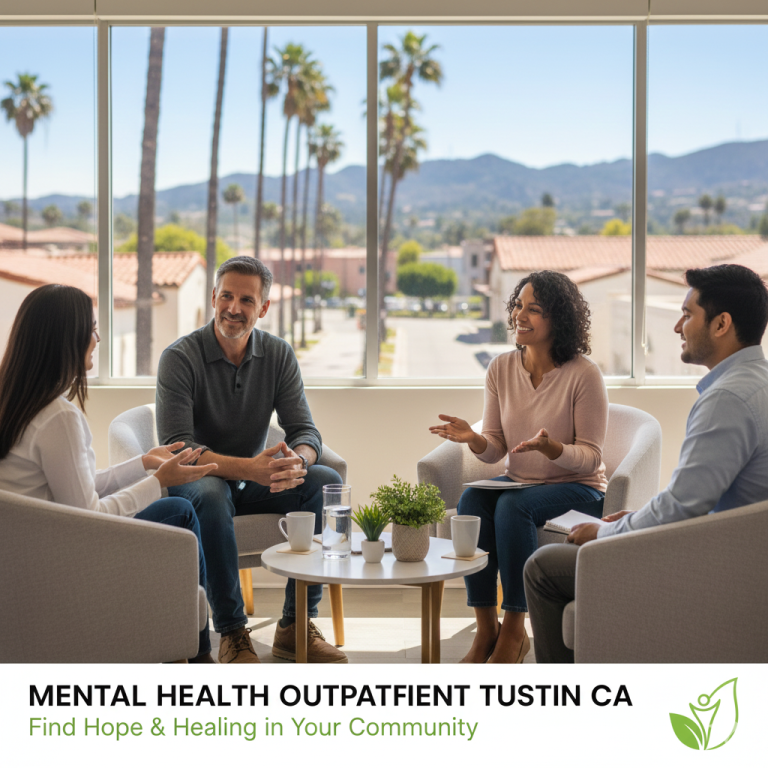
Anxiety and depression group therapy Los Angeles provides unique therapeutic benefits that individual therapy alone cannot offer. Group settings allow participants to realize they are not alone in their struggles, reducing the isolation and shame often associated with mental health challenges.
The peer support component of group therapy creates opportunities for mutual encouragement, shared problem-solving, and accountability. Participants often find that helping others with similar challenges reinforces their own recovery and builds self-esteem and confidence.
Group therapy also provides a safe environment for practicing new social and communication skills. For individuals with social anxiety, group settings offer graduated exposure opportunities that help build confidence in social situations. The supportive nature of therapy groups makes them ideal environments for taking these important steps.
Different types of groups address various aspects of recovery. Process groups focus on emotional expression and interpersonal dynamics, while skills-based groups teach specific techniques for managing anxiety and depression. Psychoeducational groups provide information about mental health conditions and treatment approaches.
Technology and Innovation in Outpatient Treatment
Telehealth and Virtual Programs
The expansion of telehealth services has revolutionized access to mental health treatment, particularly in a geographically diverse area like Los Angeles. Online intensive outpatient program for anxiety California options provide flexible access to care for individuals who face transportation barriers, have scheduling constraints, or prefer the privacy of receiving treatment from home.
Virtual programs maintain the same clinical rigor and therapeutic components as in-person treatment while offering additional flexibility. Participants can access individual therapy, group sessions, and educational workshops from any location with reliable internet access.
The effectiveness of telehealth for anxiety and depression treatment has been well-documented, with studies showing outcomes comparable to in-person treatment. The convenience factor often leads to better treatment engagement and completion rates, particularly for individuals who might otherwise struggle to attend regular appointments.
Digital Therapeutic Tools
Modern outpatient programs increasingly incorporate digital tools and smartphone applications that extend therapeutic support between sessions. These tools can include mood tracking apps, meditation and mindfulness programs, cognitive behavioral therapy exercises, and crisis intervention resources.
The integration of technology allows for real-time monitoring of symptoms and immediate access to coping strategies when needed. For anxiety disorders, having immediate access to breathing exercises, grounding techniques, or relaxation strategies can prevent escalation of symptoms and reduce the need for crisis interventions.
Insurance and Financial Considerations
Understanding Insurance Coverage
Los Angeles mental health outpatient services with insurance are increasingly accessible thanks to mental health parity laws that require insurance companies to provide equal coverage for mental health and physical health treatments. However, navigating insurance coverage can still be complex and confusing.
Most major insurance plans cover outpatient mental health treatment, including individual therapy, group therapy, medication management, and intensive outpatient programs. However, coverage details such as copayments, deductibles, and session limits vary significantly between plans and providers.
The Mental Health Parity and Addiction Equity Act requires that mental health benefits be provided on par with medical and surgical benefits. This means that if your plan covers unlimited medical visits, it should also provide equivalent mental health coverage.
Affordable Treatment Options
Affordable outpatient mental health treatment Los Angeles remains a priority for many individuals and families. Community mental health centers, county-funded programs, and sliding-scale fee arrangements can make treatment accessible for individuals without insurance or with limited financial resources.
Many outpatient programs offer payment plans, reduced-fee slots, and scholarship opportunities to ensure that financial barriers don’t prevent access to necessary treatment. Some programs also accept Medicaid and Medicare, expanding access for eligible individuals.
University training programs often provide lower-cost treatment options where graduate students provide therapy under the supervision of licensed professionals. These programs can offer excellent care at reduced rates while contributing to the training of future mental health professionals.
Treatment Resistant Depression and Complex Cases
Specialized Interventions
Outpatient program for treatment-resistant depression Los Angeles addresses the needs of individuals who have not responded well to traditional treatment approaches. Treatment-resistant depression affects approximately 30% of individuals with major depressive disorder and requires specialized interventions and expertise.
Advanced treatment options for treatment-resistant cases may include transcranial magnetic stimulation (TMS), ketamine therapy, intensive medication management, and innovative therapeutic approaches. These treatments are increasingly available in outpatient settings, allowing individuals to access cutting-edge care while maintaining their daily routines.
The key to successful treatment of resistant depression often lies in comprehensive assessment and individualized treatment planning. This may involve genetic testing to guide medication selection, thorough evaluation of medical conditions that could impact mood, and exploration of trauma or other underlying factors that may be maintaining symptoms.
Trauma-Informed Care
Outpatient treatment for PTSD and anxiety Los Angeles recognizes the significant overlap between trauma, anxiety, and depression. Trauma-informed care approaches acknowledge that many individuals seeking treatment for anxiety and depression have histories of trauma that may be contributing to their current symptoms.
Evidence-based trauma therapies such as Eye Movement Desensitization and Reprocessing (EMDR), Cognitive Processing Therapy (CPT), and Trauma-Focused CBT can be effectively delivered in outpatient settings. These specialized approaches address the root causes of anxiety and depression rather than just managing symptoms.
The integration of trauma-informed care principles throughout treatment programs ensures that all staff understand the impact of trauma and avoid retraumatization while promoting healing and recovery.
Family Involvement and Support Systems
Family Therapy and Education
The involvement of family members and loved ones can significantly impact treatment outcomes for anxiety and depression. Family therapy sessions help improve communication, address relationship dynamics that may be contributing to symptoms, and educate family members about mental health conditions.
Individual and group therapy for depression Los Angeles programs often include family education components that help loved ones understand the nature of mental health conditions, learn supportive communication strategies, and develop their own coping skills for dealing with the stress of supporting someone with mental illness.
Family involvement is particularly important for young adults and adolescents, where family dynamics and communication patterns significantly impact mental health. Family-based interventions can address these systemic issues while supporting individual recovery.
Building Support Networks
Recovery from anxiety and depression benefits significantly from strong social support networks. Outpatient programs help individuals identify and strengthen existing relationships while building new connections with peers who understand their experiences.
Support groups, both within treatment programs and in the broader community, provide ongoing encouragement and accountability beyond formal treatment completion. These connections often become lifelong resources for maintaining mental health and preventing relapse.
The development of healthy support networks also involves learning to communicate about mental health needs, set appropriate boundaries, and ask for help when needed. These skills are essential for long-term recovery and overall life satisfaction.
Regional Treatment Options and Accessibility
Los Angeles County Coverage
The extensive geographic area of Los Angeles County necessitates multiple treatment locations to ensure accessibility for all residents. Flexible outpatient mental health program Los Angeles options are available throughout the county, from downtown Los Angeles to the beaches, valleys, and surrounding communities.
Transportation considerations are particularly important in Los Angeles, where traffic and distance can create significant barriers to consistent treatment participation. Many programs offer multiple locations, flexible scheduling, and telehealth options to address these challenges.
Specialized Regional Programs
Different areas within the greater Los Angeles region may offer specialized programs that address specific community needs. For example, IOP for anxiety Los Angeles CA programs downtown may focus on career-related stress and urban living challenges, while programs in suburban areas might emphasize family dynamics and work-life balance.
IOP programs in Long Beach serve the diverse coastal communities with programs that may incorporate ocean-based therapeutic activities and address the unique stressors of coastal living. Similarly, Santa Clarita IOP programs serve the specific needs of the northern Los Angeles County communities.
The availability of specialized regional programs ensures that individuals can access treatment that considers their specific environmental and cultural contexts, improving treatment relevance and effectiveness.
Measuring Treatment Success and Outcomes
Evidence-Based Assessment Tools
Effective outpatient treatment programs utilize standardized assessment tools to measure progress and adjust treatment plans accordingly. Instruments such as the Beck Depression Inventory, Generalized Anxiety Disorder 7-item scale (GAD-7), and Patient Health Questionnaire-9 (PHQ-9) provide objective measures of symptom severity and treatment response.
Regular assessment allows both clients and clinicians to track progress, identify areas that need additional focus, and celebrate improvements. This data-driven approach ensures that treatment remains targeted and effective throughout the recovery process.
Quality programs also measure functional outcomes such as work performance, relationship satisfaction, and overall quality of life. These broader measures capture the real-world impact of treatment beyond just symptom reduction.
Long-Term Follow-Up and Maintenance
Los Angeles behavioral health intensive outpatient program success is measured not just by immediate symptom improvement, but by long-term stability and quality of life enhancement. Follow-up assessments at three, six, and twelve months post-treatment provide valuable data about sustained recovery and identify individuals who may benefit from additional support.
Maintenance therapy and ongoing support services help individuals sustain the gains made during intensive treatment. This may include monthly individual therapy sessions, periodic group therapy participation, or participation in ongoing support groups.
Prevention and Early Intervention
Identifying Warning Signs
Early identification and intervention for anxiety and depression can prevent the development of more severe symptoms and reduce the need for intensive treatment. Understanding warning signs such as persistent worry, sleep disturbances, changes in appetite, social withdrawal, and difficulty concentrating enables individuals and their loved ones to seek help promptly.
Community education programs help raise awareness about mental health conditions and reduce stigma that may prevent individuals from seeking treatment. These initiatives are particularly important in diverse communities where cultural factors may influence attitudes toward mental health care.
School and Workplace Programs
Collaboration between mental health providers and schools, employers, and community organizations creates opportunities for early identification and intervention. Employee assistance programs, school counseling services, and community mental health screenings can identify individuals who would benefit from outpatient treatment.
These partnerships also help create supportive environments that promote mental health and reduce factors that contribute to anxiety and depression. Workplace stress management programs, school-based mental health education, and community wellness initiatives all contribute to prevention efforts.
Frequently Asked Questions
What is outpatient treatment for anxiety and depression, and how does it work?
Outpatient treatment for anxiety and depression involves receiving professional mental health services while living at home and maintaining your daily responsibilities. Unlike inpatient treatment where you stay at a facility, outpatient care allows you to attend therapy sessions, group meetings, and other treatment activities during scheduled times and return home each day. The treatment works by providing you with evidence-based therapeutic interventions such as Cognitive Behavioral Therapy (CBT), Dialectical Behavior Therapy (DBT), and medication management when appropriate. You’ll work with a team of mental health professionals including therapists, psychiatrists, and case managers who develop a personalized treatment plan targeting your specific symptoms and goals. The flexibility of outpatient treatment makes it ideal for individuals who have work, school, or family commitments they cannot leave, while still providing the professional support needed for recovery.
What is the difference between inpatient, Partial Hospitalization Program (PHP), and Intensive Outpatient Program (IOP)?
These represent different levels of care intensity designed to meet varying treatment needs. Inpatient treatment involves 24-hour residential care in a hospital or treatment facility, typically reserved for individuals with severe symptoms, safety concerns, or those who need medical monitoring. Partial Hospitalization Programs (PHP) provide 6-8 hours of treatment per day, five days per week, offering intensive support while allowing you to return home each evening. Intensive Outpatient Programs (IOP) typically involve 9-15 hours of treatment per week, spread across three to five days, providing structured support while maintaining greater flexibility for work or school. Standard outpatient therapy involves weekly or bi-weekly individual sessions. The choice between these levels depends on symptom severity, safety considerations, previous treatment history, social support systems, and your ability to function in daily life. Many individuals progress through different levels of care as their symptoms improve, starting with more intensive treatment and stepping down to less intensive options.
Who is a good candidate for an outpatient mental health program in Los Angeles?
Good candidates for outpatient treatment include individuals experiencing anxiety and depression symptoms that interfere with daily functioning but who are medically stable and not at immediate risk of harm to themselves or others. You might be a good candidate if you’re motivated to participate in treatment, have adequate social support systems, can safely live at home, and are able to attend scheduled treatment sessions consistently. Outpatient treatment works well for people who have tried individual therapy but need more intensive support, those stepping down from higher levels of care, individuals with co-occurring conditions like substance abuse, and people who want to maintain work or school commitments during treatment. The program is particularly suitable for young adults, professionals, parents, and students who need flexible scheduling options. Your treatment team will conduct a comprehensive assessment to determine if outpatient care is appropriate for your specific situation and treatment needs.
What types of therapy are used in your outpatient program for anxiety and depression?
Our outpatient programs utilize evidence-based therapeutic approaches proven effective for anxiety and depression. Cognitive Behavioral Therapy (CBT) helps identify and change negative thought patterns and behaviors that contribute to symptoms. Dialectical Behavior Therapy (DBT) teaches distress tolerance, emotion regulation, mindfulness, and interpersonal effectiveness skills. Acceptance and Commitment Therapy (ACT) focuses on accepting difficult emotions while committing to value-based actions. Mindfulness-Based Cognitive Therapy (MBCT) combines mindfulness practices with cognitive therapy techniques. For trauma-related anxiety and depression, we offer Eye Movement Desensitization and Reprocessing (EMDR) and Trauma-Focused CBT. Group therapy modalities include process groups, skills-based groups, and psychoeducational groups. We also incorporate holistic approaches such as art therapy, music therapy, yoga, meditation, and recreational therapy. Family therapy and couples counseling address relationship dynamics that may impact mental health. Each individual receives a personalized combination of these therapies based on their specific needs, preferences, and treatment goals.
What is a typical daily or weekly schedule like in your program?
Weekly schedules in our outpatient programs vary based on the level of care and individual needs. Intensive Outpatient Programs (IOP) typically meet three to five days per week for three to four hours per session, often scheduled in morning or evening blocks to accommodate work and school. A typical IOP day might include group therapy, individual therapy, educational workshops, and skill-building activities. Partial Hospitalization Programs (PHP) meet five days per week for six to eight hours per day, with more intensive programming including multiple therapy sessions, psychiatric consultations, and structured activities. Standard outpatient treatment involves weekly or bi-weekly individual therapy sessions lasting 45-60 minutes. Many programs offer both morning and evening options to accommodate different schedules. The weekly structure typically includes a combination of individual therapy, group therapy, family sessions when appropriate, and homework assignments to practice skills between sessions. Treatment plans are flexible and can be adjusted based on progress, changing life circumstances, and individual preferences.
How long does an outpatient treatment program for anxiety and depression usually last?
The duration of outpatient treatment varies significantly based on individual needs, symptom severity, treatment goals, and response to interventions. Intensive Outpatient Programs (IOP) typically last 8-12 weeks, though some individuals may benefit from longer or shorter durations. Partial Hospitalization Programs (PHP) usually last 2-6 weeks, often serving as a bridge between inpatient care and less intensive outpatient treatment. Standard outpatient therapy may continue for several months to years, depending on individual needs and goals. Many people find that 3-6 months of consistent outpatient treatment provides significant symptom improvement, while others may benefit from longer-term maintenance therapy. The goal is not necessarily to complete treatment in a specific timeframe, but to achieve sustainable symptom management and improved functioning. Treatment duration is regularly evaluated and adjusted based on progress, with the ultimate goal being to develop self-management skills that reduce the need for intensive professional support. Many individuals transition to monthly or as-needed sessions for ongoing maintenance and relapse prevention.
Can I continue to work or go to school while in treatment?
Yes, one of the primary advantages of outpatient treatment is the ability to maintain work, school, and family responsibilities while receiving professional mental health care. Programs are specifically designed with flexibility to accommodate various schedules and commitments. Many Intensive Outpatient Programs offer both morning and evening sessions, allowing working professionals to attend after work hours and students to participate around class schedules. Employers are often supportive of mental health treatment, and many companies offer Employee Assistance Programs that provide time off for medical appointments including mental health care. For students, academic accommodations may be available through disability services offices to provide flexibility for treatment attendance. Your treatment team will work with you to develop a schedule that balances treatment intensity with your other responsibilities. Some individuals may need to reduce work hours or academic load temporarily during intensive treatment phases, but most can maintain their primary commitments. The goal is to integrate treatment into your life in a sustainable way that promotes both recovery and continued functioning in important life areas.
Do you offer treatment for co-occurring disorders, such as anxiety and substance abuse?
Yes, we specialize in dual diagnosis treatment that addresses co-occurring mental health and substance abuse disorders simultaneously. The co-occurrence of anxiety, depression, and substance use disorders is extremely common, with each condition potentially triggering or worsening the others. Our integrated treatment approach recognizes that treating only one condition while ignoring the other typically results in poor outcomes and high relapse rates. Our dual diagnosis programs include specialized groups for individuals with co-occurring conditions, individual therapy that addresses both mental health and substance use issues, psychiatric care that considers medication interactions and contraindications, family education about dual diagnosis, and coordination with addiction treatment services when needed. We also address other co-occurring conditions such as eating disorders, PTSD, ADHD, and bipolar disorder. The treatment team includes addiction specialists, mental health clinicians, and medical professionals who understand the complex interactions between different conditions. This comprehensive approach significantly improves long-term recovery outcomes for both mental health and substance use issues.
Do your programs include medication management and psychiatric care?
Yes, comprehensive outpatient programs include psychiatric evaluation and medication management as integral components of treatment. Our board-certified psychiatrists specialize in treating anxiety and depression and work closely with therapy staff to provide coordinated care. Medication management services include initial psychiatric evaluation to assess medication needs, regular follow-up appointments to monitor effectiveness and side effects, medication adjustments based on symptoms and treatment response, education about medications and their effects, coordination with primary care physicians and other medical specialists, and support for medication compliance. We understand that medication can be an important tool in treating anxiety and depression, particularly for moderate to severe symptoms. However, medication is always combined with therapy and other interventions for optimal outcomes. Our psychiatrists take time to explain medication options, discuss potential benefits and risks, and involve you in decision-making about your treatment. We also respect individual preferences about medication use and work with people who prefer therapy-only approaches when clinically appropriate.
Is group therapy a significant part of the program, and how does it help?
Group therapy is indeed a significant and valuable component of our outpatient programs, offering unique therapeutic benefits that complement individual therapy. Groups provide peer support from others facing similar challenges, reducing feelings of isolation and shame often associated with anxiety and depression. The group setting allows you to practice new social and communication skills in a safe, supportive environment, which is particularly beneficial for those with social anxiety. Groups offer different perspectives and coping strategies from peers who understand your experiences firsthand. They create accountability and motivation through shared goals and mutual encouragement. Our programs offer various types of groups including process groups focused on emotional expression and interpersonal dynamics, skills-based groups teaching specific techniques like CBT or DBT skills, psychoeducational groups providing information about mental health conditions, and specialized groups for specific populations or issues like trauma, grief, or dual diagnosis. Group therapy helps develop empathy and social connection while building confidence through helping others. Many participants find that the relationships formed in group therapy become valuable long-term support networks for maintaining recovery.
Do you offer holistic or alternative therapies, like yoga or mindfulness?
Yes, we integrate holistic and complementary therapies as part of our comprehensive treatment approach, recognizing that mental health involves physical, emotional, spiritual, and social well-being. Our holistic offerings include mindfulness-based stress reduction and meditation practices that help develop present-moment awareness and emotional regulation skills. Yoga therapy combines physical movement with breathwork and mindfulness to reduce anxiety and depression symptoms. Art and music therapy provide creative outlets for emotional expression and processing. Recreational therapy incorporates enjoyable activities that build confidence and social skills. Nutritional counseling addresses the connection between diet and mental health. Exercise and movement therapy utilize the mood-boosting benefits of physical activity. These approaches complement traditional therapy and medication rather than replacing them, offering additional tools for managing symptoms and promoting overall wellness. Research supports the effectiveness of many holistic approaches for anxiety and depression, showing benefits such as reduced stress hormones, improved sleep, enhanced mood, and better emotional regulation. We work with each individual to identify holistic approaches that align with their interests and cultural background, creating a personalized treatment experience that addresses all aspects of well-being.
How is a treatment plan customized to my individual needs?
Treatment plan customization begins with a comprehensive assessment that examines your unique symptoms, history, strengths, challenges, and goals. During the intake process, our clinical team conducts detailed interviews about your mental health history, family history, trauma experiences, substance use, medical conditions, current symptoms, and previous treatment experiences. We also use standardized assessment tools to measure symptom severity and identify specific areas of concern. Based on this information, we develop an individualized treatment plan that specifies your treatment goals, recommended therapies and interventions, frequency and duration of services, and measurable objectives for tracking progress. The plan considers your personal preferences, cultural background, learning style, schedule constraints, and support systems. We regularly review and adjust the treatment plan based on your progress, changing circumstances, and feedback about what is and isn’t working. This collaborative approach ensures that treatment remains relevant and effective throughout your recovery journey. Your input is essential in this process, as you are the expert on your own experiences and what feels helpful. The goal is to create a treatment experience that is both evidence-based and personally meaningful.
How much does outpatient treatment for anxiety and depression cost in Los Angeles?
The cost of outpatient treatment varies significantly based on the level of care, program duration, insurance coverage, and specific services included. Intensive Outpatient Programs (IOP) typically cost $3,000-$10,000 per month without insurance, while Partial Hospitalization Programs (PHP) may range from $6,000-$20,000 per month. Standard outpatient therapy sessions usually cost $100-$300 per session without insurance. However, most individuals pay significantly less due to insurance coverage. Many insurance plans cover 80-100% of outpatient mental health treatment after deductibles are met, thanks to mental health parity laws. Your out-of-pocket costs typically include copayments ($10-$50 per session), coinsurance (10-20% of total costs), and annual deductibles ($500-$5,000 depending on your plan). We offer free insurance verification to determine your specific benefits and estimated costs before treatment begins. For individuals without insurance or with limited coverage, we provide sliding scale fees, payment plans, reduced-fee slots, and information about community resources and state-funded programs. Many programs also accept Medicaid and Medicare. We believe financial barriers should not prevent access to necessary mental health treatment and work with individuals to find affordable options.
Do you accept my insurance? Do you offer free insurance verification?
Yes, we accept most major insurance plans and offer complimentary insurance verification services to help you understand your benefits before beginning treatment. We work with plans including but not limited to Aetna, Anthem, Blue Cross Blue Shield, Cigna, UnitedHealthcare, Kaiser Permanente, Medicare, Medicaid, and many regional and employer-sponsored plans. Our insurance specialists will contact your insurance company to verify your mental health benefits, including copayments, deductibles, coinsurance rates, prior authorization requirements, and in-network vs. out-of-network coverage levels. We provide you with a clear breakdown of your estimated costs before treatment begins, so there are no surprises. If your insurance plan is not in our network, we can discuss out-of-network benefits and help you understand your options. We also assist with prior authorization processes when required and can provide documentation needed for insurance claims. For individuals with limited insurance coverage, we offer information about supplemental coverage options, community resources, and our own financial assistance programs. Our goal is to make quality mental health treatment accessible regardless of insurance status, and we’re committed to working with you to find affordable treatment options.
Do I need a referral to start treatment?
Most insurance plans do not require a referral from your primary care physician to access outpatient mental health treatment, thanks to mental health parity laws that provide equal access to behavioral health services. However, some specific insurance plans or managed care organizations may have referral requirements, which we’ll verify during the insurance verification process. Even when referrals aren’t required, many people find it helpful to inform their primary care physician about their mental health treatment to ensure coordinated care. If a referral is required, we can help facilitate this process and provide information to your primary care doctor about the recommended level of care. For individuals without insurance or those paying privately, no referral is needed—you can contact us directly to schedule an initial assessment. We also accept self-referrals from individuals who recognize they need support for anxiety and depression, regardless of whether they’ve previously received mental health treatment. Employee Assistance Programs (EAPs) through employers often provide direct access to mental health services without referrals. Our intake team can help clarify any referral requirements specific to your situation and assist with obtaining necessary documentation if required.
What should I expect during my first visit or intake assessment?
Your first visit, called an intake assessment, is a comprehensive evaluation that typically lasts 60-90 minutes and serves as the foundation
for developing your personalized treatment plan. During this initial session, you’ll meet with a licensed clinician who will conduct a detailed interview about your current symptoms, mental health history, family history, medical conditions, substance use history, trauma experiences, and previous treatment attempts. You’ll also discuss your current life situation, including work, relationships, living arrangements, support systems, and any recent stressors or changes. The clinician will ask about your specific goals for treatment and what you hope to achieve through the program.
You’ll complete standardized assessment questionnaires that measure anxiety and depression symptoms, functional impairment, and other relevant mental health indicators. These tools help establish baseline measurements for tracking your progress throughout treatment. The assessment also includes a mental status examination to evaluate your current psychological state and any safety concerns.
Following the clinical assessment, you’ll meet with an intake coordinator who will review your insurance benefits, discuss program options that match your needs and schedule, explain program policies and procedures, and answer any questions about the treatment process. You’ll receive information about program schedules, treatment approaches, and what to expect in the coming weeks.
The intake process is designed to be thorough but comfortable, allowing you to share your story at your own pace while ensuring that we gather all necessary information to provide the most effective treatment possible.
Do you offer telehealth or virtual outpatient programs?
Yes, we offer comprehensive telehealth and virtual outpatient programs that provide the same quality care as in-person services with added convenience and accessibility. Our virtual programs include individual therapy sessions, group therapy, family sessions, psychiatric consultations, and educational workshops, all conducted through secure, HIPAA-compliant video platforms.
Virtual treatment has proven highly effective for anxiety and depression, with research showing comparable outcomes to in-person care. Many individuals find that telehealth reduces barriers such as transportation challenges, scheduling conflicts, and anxiety about attending in-person sessions. The privacy and comfort of receiving treatment from home can actually enhance therapeutic engagement for some people.
Our hybrid model allows flexibility to combine in-person and virtual sessions based on your preferences and circumstances. Some individuals start with virtual sessions and transition to in-person care, while others prefer to maintain virtual treatment throughout their program.
Virtual group therapy sessions maintain the same therapeutic benefits as in-person groups, including peer support, skill-building, and social connection. We use interactive platforms that allow for small group discussions, skill practice, and meaningful therapeutic engagement.
Technical support is available to help you set up and troubleshoot any technology issues, ensuring that technical barriers don’t interfere with your treatment experience.
What happens after I complete the outpatient program?
Completion of an outpatient program marks the beginning of your ongoing recovery journey rather than the end of support. We develop comprehensive aftercare plans that include step-down services such as transitioning from intensive programs to standard outpatient therapy, monthly or bi-weekly maintenance sessions, ongoing psychiatric care for medication management, and participation in community support groups.
Many individuals benefit from continuing individual therapy at reduced frequency to maintain progress and address new challenges as they arise. We also provide access to alumni groups and peer support networks that offer ongoing connection with others who understand your recovery experience.
Relapse prevention planning is a crucial component of aftercare, helping you identify warning signs of symptom return, develop action plans for managing stressors, and know when and how to access additional support. We teach self-monitoring techniques and provide resources for managing symptoms independently.
Our programs also include family education and support to ensure that your loved ones understand how to continue supporting your recovery. We provide crisis contact information and clear guidelines for accessing emergency support if needed.
Long-term follow-up may include periodic check-ins at three, six, and twelve months post-treatment to assess your ongoing progress and provide additional support as needed. Many individuals find these check-ins reassuring and helpful for maintaining motivation and accountability.
What kind of aftercare and long-term support do you provide?
Our comprehensive aftercare program recognizes that recovery is an ongoing process requiring sustained support and skill practice. Long-term support includes continuing outpatient therapy at reduced frequency, such as monthly or bi-weekly sessions focused on maintaining gains and addressing new challenges. Alumni programs provide ongoing connection with peers and access to special events, support groups, and educational workshops.